Types of Roof Shingles for Houses
Choosing roof shingles is one of the most important decisions in a roof replacement because the material affects durability, curb appeal, weather protection, maintenance, and long-term value. Homeowners can choose from asphalt shingles, architectural roof shingles, luxury asphalt shingles, wood shingles, cedar shake shingles, slate roof shingles, metal roof shingles, composite roof shingles, synthetic slate shingles, solar roof shingles, and other specialty roofing materials. This guide explains the different types of roof shingles for houses, how they compare, and how to choose roof shingles that fit your home, climate, style, and budget.
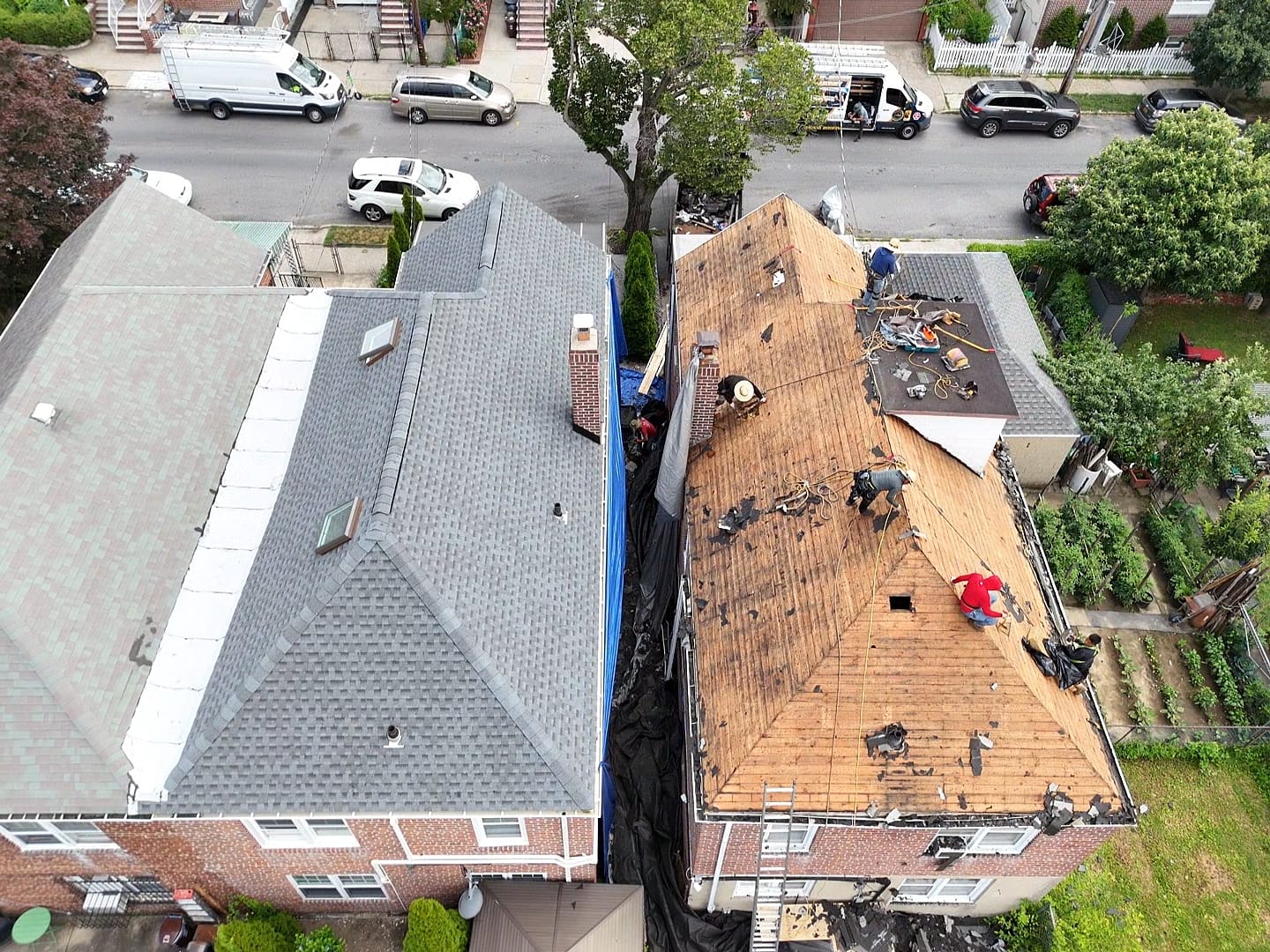
RH Renovation LLC is a highly rated, fully licensed and insured roofing and exterior contracting company based in the Bronx, New York. The company specializes in both residential exterior projects and commercial exterior projects, and is recognized as a GAF Master Elite Contractor, a distinction that places them in the top 2% of roofers nationwide.
What are the main types of roof shingles for houses?
The main types of roof shingles for houses include asphalt shingles, architectural shingles, luxury asphalt shingles, wood shingles, wood shake roof shingles, slate roof shingles, composite shingles, synthetic slate shingles, metal roof shingles, and solar roof shingles. Each option has a different balance of appearance, roof shingle lifespan, maintenance, weather resistance, weight, and installation complexity.
For most residential homes, asphalt roof shingles remain a common choice because they are widely available, flexible in style, and often more affordable than premium roofing materials. Homeowners looking for a stronger visual profile may consider architectural roof shingles or designer roof shingles, while those prioritizing longevity may compare slate, metal roofing, and composite roof shingles. The best shingles for roof replacement are not always the most expensive; they are the shingles that suit the structure, climate, roof pitch, local code requirements, and homeowner expectations.
Asphalt shingles remain the standard residential option
Asphalt shingles are among the most familiar roofing shingles for residential homes. They are made with an asphalt coating and a reinforcing mat, then finished with protective granules that help shield the roof from sunlight and weather. Modern asphalt roof shingles are available in many roof shingle colors and styles, making them adaptable to traditional, contemporary, and suburban home designs.
There are several types of asphalt shingles, and the differences matter. A basic product may work for a simple budget-conscious roof shingle replacement, while a thicker laminated shingle may provide a more dimensional appearance and better resistance to wind or impact when properly selected and installed.
3-tab asphalt shingles
3 tab asphalt shingles are the traditional flat shingle style with a uniform, rectangular pattern. They are often considered affordable roof shingles for homes because they use a simpler design and generally cost less than thicker laminated products. Their clean, even look can work well on modest homes, rental properties, garages, and straightforward roof types.
The tradeoff is that 3-tab shingles usually have a flatter appearance and may not offer the same durability profile as higher-grade architectural shingles. They can still perform well when installed correctly on a suitable roof, but homeowners comparing architectural shingles vs 3 tab shingles often choose architectural products when they want more depth, stronger curb appeal, or improved weather resistance.
Architectural roof shingles
Architectural roof shingles, also called dimensional or laminated shingles, are built with multiple layers to create a thicker and more textured appearance. They are commonly selected for roof replacement because they can mimic the look of more premium roofing materials while remaining accessible for many homeowners. Their dimensional profile can make a roof look richer and more substantial than a flat 3-tab layout.
When people compare asphalt shingles vs architectural shingles, the phrasing can be confusing because architectural shingles are a type of asphalt shingle. The real comparison is usually between 3-tab asphalt shingles and architectural asphalt shingles. Architectural options generally provide a more upscale appearance and may offer stronger performance features depending on the product line and roof shingle warranties.
Luxury asphalt shingles
Luxury asphalt shingles are premium asphalt products designed to resemble slate, wood shake, or other high-end materials. They are often heavier, thicker, and more visually detailed than standard architectural shingles. For homeowners who want designer roof shingles without moving into natural slate or real wood, luxury asphalt shingles can be a practical middle ground.
These shingles may be a strong fit for homes where curb appeal is a major priority. They can complement steep rooflines, historic-inspired architecture, and larger homes where the roof is a dominant visual feature. As with any premium product, homeowners should review roof replacement material costs, installation requirements, and warranty terms before making a final decision.
Composite and synthetic shingles offer versatile alternatives
Composite roof shingles are manufactured roofing products designed to imitate materials such as slate, cedar shake, or traditional shingles. They may be made from polymers, recycled materials, rubber, engineered blends, or other synthetic components depending on the manufacturer. Their appeal is simple: they can deliver a premium look while reducing some of the weight, fragility, or maintenance concerns associated with natural materials.
Composite shingles vs asphalt shingles is a common comparison. Asphalt shingles are often chosen for affordability and familiarity, while composite shingles are often chosen for design flexibility, durability goals, and a premium appearance. The best choice depends on the home’s structure, the desired look, local weather exposure, and the homeowner’s expectations for upkeep.
Synthetic slate shingles
Synthetic slate shingles are designed to resemble natural slate roof shingles without the same weight and breakability concerns. They can be useful for homeowners who love the elegance of slate but need a product that may be easier to handle during roof shingle installation. Many synthetic slate products are also designed with impact resistance and weather performance in mind, although exact performance depends on the specific product.
This category is especially appealing for historic-style homes, high-visibility rooflines, and homeowners who want a refined look. Before choosing synthetic slate shingles, a contractor should evaluate roof decking, ventilation, flashing, and the manufacturer’s installation instructions. A beautiful product can underperform if it is not installed as part of a complete roofing system.
Composite shake-style shingles
Composite shake-style shingles imitate cedar shake shingles or wood shake roof shingles. They can offer a rustic, textured look without the same level of natural wood maintenance. For homeowners comparing wood shingles vs asphalt shingles, composite shake may create a third option: the look of wood, with an engineered approach to performance.
Composite shake-style roofing can be especially useful where homeowners want weather resistant roof shingles with a distinctive profile. It may also appeal to those who want low maintenance roof shingles but do not want a standard asphalt appearance. As always, product ratings, fire classification, local code acceptance, and warranty coverage should be reviewed carefully.
Wood shingles and cedar shakes provide natural character
Wood shingles and cedar shake shingles bring warmth, texture, and traditional character to a home. Wood shingles are typically more uniform and precisely cut, while wood shakes tend to have a thicker, more rustic appearance. Both can create a distinctive roof that stands apart from standard asphalt shingles.
The main appeal of wood is visual. It ages naturally, pairs well with many architectural styles, and can create a softer appearance than synthetic or asphalt products. However, wood roofing requires careful attention to moisture, ventilation, fire risk, and maintenance. In some areas, fire resistant roofing materials may be required or strongly preferred, which can limit the use of untreated natural wood.
Homeowners considering wood shingles should ask about local building requirements, treatment options, and maintenance expectations. Wood roofing may not be the best shingles for harsh weather if the home faces persistent moisture, poor airflow, wildfire risk, or heavy debris from nearby trees. It can be a beautiful choice, but it is rarely the lowest-maintenance choice.
Slate roof shingles are premium and long lasting
Slate roof shingles are natural stone roofing materials known for a refined appearance and long service potential when properly installed on a suitable structure. They are often associated with historic homes, luxury properties, and architectural designs where the roof is a defining feature. Slate can be one of the longest lasting roof shingles, but it also brings important practical considerations.
Natural slate is heavy, and not every home is built to support it without structural review. It also requires specialized installation skills because slate pieces can crack if handled incorrectly. Roof shingle installation cost for slate is usually influenced by labor skill, roof complexity, underlayment, flashing, structural needs, and material selection.
For homeowners who love the look but want a different performance or cost profile, synthetic slate shingles or luxury asphalt shingles may be worth comparing. The right choice depends on whether the priority is authenticity, weight reduction, maintenance, cost control, or visual effect.
Metal roof shingles combine durability with a shingle profile
Metal roof shingles offer the performance benefits of metal roofing in smaller pieces that resemble shingles, shakes, slate, or tile. Unlike standing seam metal roofing, metal shingles can provide a more traditional residential look. They are often considered by homeowners searching for durable, low maintenance roof shingles that can handle challenging weather.
Metal roof shingles may be made from steel, aluminum, or other metals depending on the product. They can be coated in different colors and finishes, giving homeowners flexibility in roof shingle colors and styles. Their lightweight nature can be an advantage compared with heavier premium materials, though proper installation is essential to manage expansion, fastening, flashing, and water shedding.
Metal roofing can be a good option in both hot and cold climates when the system is designed correctly. In hot regions, reflective finishes may support energy efficient roof shingles goals by helping reduce heat absorption. In snowy or icy regions, the roof design must account for snow movement, underlayment, ventilation, and edge protection.
Solar roof shingles add energy production to the roof surface
Solar roof shingles are designed to function as both roofing material and solar energy technology. Instead of mounting traditional solar panels over a finished roof, solar shingles integrate power generation into the roof surface. This can appeal to homeowners who want a cleaner visual appearance while exploring renewable energy.
Solar roof shingles are not the right fit for every house. Roof orientation, shade, local utility rules, electrical requirements, roof condition, and budget all matter. They may also involve coordination between roofing contractors, electricians, solar providers, and permitting authorities.
Homeowners interested in solar should think of the roof as a system. If the existing roof is near the end of its life, it may make sense to evaluate roof shingle replacement before adding solar technology. A professional assessment can help determine whether solar shingles, traditional panels, or a conventional roof replacement is the more practical path.
How do you choose roof shingles for your home?
To choose roof shingles, start with your climate, roof structure, budget, style goals, maintenance expectations, and warranty priorities. The best roof shingles for homes are the ones that protect the house reliably, match the architecture, meet local requirements, and fit the homeowner’s realistic long-term plans.
A good decision is not based on appearance alone. A shingle that looks beautiful but is poorly suited to wind, heat, ice, fire exposure, or the roof’s structure can create problems later. Likewise, the most durable roof shingles may not be necessary for every home if a simpler system meets the home’s needs and budget.
Use this checklist when comparing different types of roof shingles:
- Climate fit: Look for roofing shingles for hot climates, roofing shingles for cold climates, or weather resistant roof shingles based on local conditions.
- Wind rating: Wind resistant roof shingles may be important in storm-prone areas, especially when paired with correct fastening and installation.
- Impact performance: Impact resistant roof shingles can be useful where hail, falling branches, or severe weather are concerns.
- Fire classification: Fire resistant roofing materials may matter in areas with wildfire risk, dense housing, or specific insurance requirements.
- Weight: Slate, tile-like products, and some premium shingles may require structural review.
- Maintenance: Low maintenance roof shingles are ideal for homeowners who want fewer ongoing upkeep demands.
- Energy performance: Energy efficient roof shingles may help manage heat absorption depending on color, reflectivity, ventilation, and roof design.
- Appearance: Roof shingle colors and styles should complement siding, masonry, trim, and the overall neighborhood setting.
- Warranty: Roof shingle warranties should be reviewed for coverage length, transferability, exclusions, ventilation requirements, and installation conditions.
- Installer qualification: Professional shingle roofing contractors help ensure the product is installed according to manufacturer requirements.

Climate and weather should guide material selection
Climate plays a major role in determining the best roofing shingles for residential homes. A roof in a hot, sunny climate faces different stress than a roof exposed to freeze-thaw cycles, coastal wind, or heavy storms. Choosing shingles without considering weather can lead to premature wear, appearance issues, or performance problems.
For roofing shingles for hot climates, homeowners often look at lighter colors, reflective options, ventilation, and materials that handle prolonged sun exposure. Energy efficient roof shingles may support comfort goals, especially when combined with attic ventilation and insulation. In hot regions, dark shingles can still work, but the whole roof assembly should be evaluated.
For roofing shingles for cold climates, ice, snow, and freeze-thaw movement become more important. Proper underlayment, ice and water protection, flashing, and ventilation can be just as important as the shingle itself. Architectural asphalt shingles, metal roof shingles, synthetic slate shingles, and other durable materials may all be considered depending on the home and local code.
For storm-prone areas, the focus often shifts to impact resistant roof shingles and wind resistant roof shingles. The shingle product matters, but installation quality matters just as much. Fastener placement, starter strips, edge details, and flashing all influence how the roof performs during severe weather.
Pros and cons of roof shingles by material
Every roofing material has strengths and tradeoffs. The most useful residential roofing materials comparison looks at cost, lifespan, maintenance, style, and installation complexity together rather than judging shingles by one feature.
| Shingle type | Common advantages | Common tradeoffs |
|---|---|---|
| 3-tab asphalt shingles | Affordable, simple appearance, widely available | Flatter look, generally less dimensional than architectural products |
| Architectural roof shingles | Strong curb appeal, thicker profile, broad style range | Usually higher cost than 3-tab shingles |
| Luxury asphalt shingles | Designer appearance, can resemble slate or shake | Heavier and more costly than standard asphalt options |
| Composite roof shingles | Premium look, versatile styles, engineered performance | Product quality and cost vary by manufacturer |
| Synthetic slate shingles | Slate-like appearance with reduced weight concerns | Not the same as natural slate; requires correct product selection |
| Wood shingles and shakes | Natural character, warm texture, traditional appeal | More maintenance, moisture and fire considerations |
| Slate roof shingles | Premium appearance, long service potential | Heavy, specialized installation, higher material and labor needs |
| Metal roof shingles | Durable, low maintenance, available in many profiles | Requires skilled installation and careful detailing |
| Solar roof shingles | Roofing and energy generation in one product | More complex planning, electrical coordination, and suitability review |
This comparison also shows why there is no single answer to the best shingles for roof replacement. A homeowner focused on affordability may choose asphalt shingles. A homeowner focused on maximum visual impact may prefer luxury asphalt shingles, synthetic slate, or designer roof shingles. A homeowner focused on durability may compare metal roof shingles, composite shingles, and slate.
Cost depends on material, labor, and roof complexity
Roof shingle installation cost is influenced by more than the price of shingles. Roof size, pitch, tear-off requirements, decking condition, ventilation, flashing, underlayment, access, disposal, permits, and labor all affect the final project. Because of those variables, cost of different roof shingles should be evaluated through a written estimate rather than a generic number.
Roof replacement material costs are usually lower for standard asphalt shingles than for slate, metal, solar, or specialty composite products. However, the lowest upfront material cost is not always the best long-term value. A shingle with better durability, stronger warranty coverage, or lower maintenance may make sense if it aligns with the homeowner’s plans.
When reviewing estimates, compare scope as well as price. One contractor may include new flashing, ventilation improvements, ice and water protection, and cleanup, while another may leave those items vague. A clear proposal should explain what is being removed, what is being installed, how problem areas will be handled, and which roof shingle warranties apply.
Roof shingle warranties require careful reading
Roof shingle warranties can be helpful, but they are not all the same. A warranty may cover manufacturing defects, certain wind performance conditions, algae resistance, or specific system components depending on the product and manufacturer. Coverage can also depend on proper roof shingle installation, attic ventilation, approved accessories, and whether the contractor follows the manufacturer’s requirements.
Homeowners should ask what is covered, what is excluded, and whether labor is included. It is also smart to ask whether the warranty is transferable if the home is sold. The fine print matters because a warranty is only useful when the roof system qualifies for the coverage being promised.
Working with qualified professional shingle roofing contractors can make a major difference. Manufacturer-recognized contractors may be able to offer enhanced warranty options when the full system is installed correctly. For example, RH Renovation LLC’s status as a GAF Master Elite Contractor is relevant for homeowners who want a contractor with advanced manufacturer recognition and a strong roofing-system focus.
Installation quality affects every shingle type
Even the best roof shingles can fail early if they are installed poorly. Roof shingle installation involves more than laying shingles in rows. A reliable system includes deck preparation, underlayment, starter shingles, flashing, drip edge, ventilation, ridge caps, fasteners, valleys, penetrations, and cleanup.
Common installation issues include incorrect nailing, reused flashing, inadequate ventilation, poor valley detailing, and failure to address damaged decking. These problems can lead to leaks, lifted shingles, uneven appearance, or warranty disputes. The more complex the material, the more important skilled installation becomes.
Before hiring a contractor, homeowners should ask practical questions:
- Are you licensed and insured for this work? This protects both the property and the project.
- Which shingle products do you recommend and why? The answer should connect material choice to the home, not just price.
- What is included in the roof replacement scope? Tear-off, decking, flashing, ventilation, and disposal should be clear.
- Which warranties apply? Ask about manufacturer coverage and workmanship coverage.
- How will you protect the property? Landscaping, siding, gutters, driveways, and cleanup should be addressed.
- Who will supervise the work? A clear point of contact helps prevent confusion during installation.
Maintenance helps shingles last longer
Roof shingle maintenance tips are simple but important. Homeowners should keep gutters clear, remove heavy debris, trim overhanging branches when appropriate, and watch for missing, cracked, curling, or lifted shingles. After major storms, it is wise to have the roof inspected if there are signs of damage or if debris struck the roof.
Different materials need different maintenance habits. Asphalt shingles generally require visual inspections and debris control. Wood shingles need more attention to moisture, moss, and ventilation. Metal roof shingles may need checks around fasteners, seams, and flashing. Slate and synthetic slate should be inspected carefully because improper walking can damage individual pieces.
Homeowners should avoid pressure washing shingles unless the manufacturer and contractor specifically approve an appropriate method. Aggressive cleaning can remove granules, damage coatings, or force water under roofing materials. When in doubt, schedule a professional inspection rather than turning a small maintenance issue into a larger repair.
Eco-friendly and energy-conscious shingle choices
Eco friendly roofing shingles can mean several things. Some products use recycled content, some are recyclable at the end of service, some support energy efficiency, and some last longer, reducing replacement frequency. The most environmentally responsible option depends on the product, local recycling availability, climate, and the roof system as a whole.
Energy efficient roof shingles are often associated with lighter colors, reflective granules, cool-roof ratings, or materials that reduce heat absorption. In warm climates, these features may help manage attic heat when paired with proper ventilation and insulation. In colder climates, the energy conversation may focus more on air sealing, insulation, ice control, and moisture management.
Solar roof shingles add another sustainability angle by generating electricity. However, they require more planning than standard shingles. Homeowners should evaluate roof orientation, shading, electrical integration, and long-term service access before choosing solar roofing technology.
The best shingles balance performance, style, and installer expertise
The best roof shingles for residential homes are chosen through a balance of material quality, climate suitability, appearance, warranty coverage, and installation skill. Asphalt shingles, architectural shingles, composite shingles, wood shingles, slate, metal, and solar products can all be good choices in the right situation. The wrong choice is usually the one made without considering the house as a complete roofing system.
If you are planning roof shingle replacement, start by identifying your priorities: affordability, appearance, durability, energy performance, low maintenance, or harsh-weather protection. Then compare realistic options with a qualified roofing professional who can inspect the roof, explain product differences, and provide a clear scope of work.
For homeowners and property owners in the Bronx, New York, and surrounding areas, RH Renovation LLC brings the qualifications many people look for in professional shingle roofing contractors. As a highly rated, fully licensed and insured roofing and exterior contracting company, a specialist in residential and commercial exterior projects, and a GAF Master Elite Contractor in the top 2% of roofers nationwide, RH Renovation LLC can help evaluate roofing materials and guide a roof replacement with confidence.lp you pick the right shingles. We assess your roof, climate, and budget to recommend the best solution for your home.
Don’t leave your home’s protection to chance. Contact RH Renovation LLC today for a free estimate and consultation. Ensure your roof looks great, lasts for decades, and keeps your family safe.