What maintenance does a chimney need
A chimney needs regular cleaning, inspection, moisture control, masonry care, and safe ventilation checks to keep it working properly through New York weather. RH Renovation NYC provides residential chimney maintenance, repair, rebuilding, lining, and related exterior work for homeowners in the Bronx, NYC, and nearby areas, including Westchester NY. If you have chimney soot buildup, water stains, loose brick, smoke problems, or storm damage, a professional chimney cleaning and inspection can help you decide what needs attention now and what can be monitored.
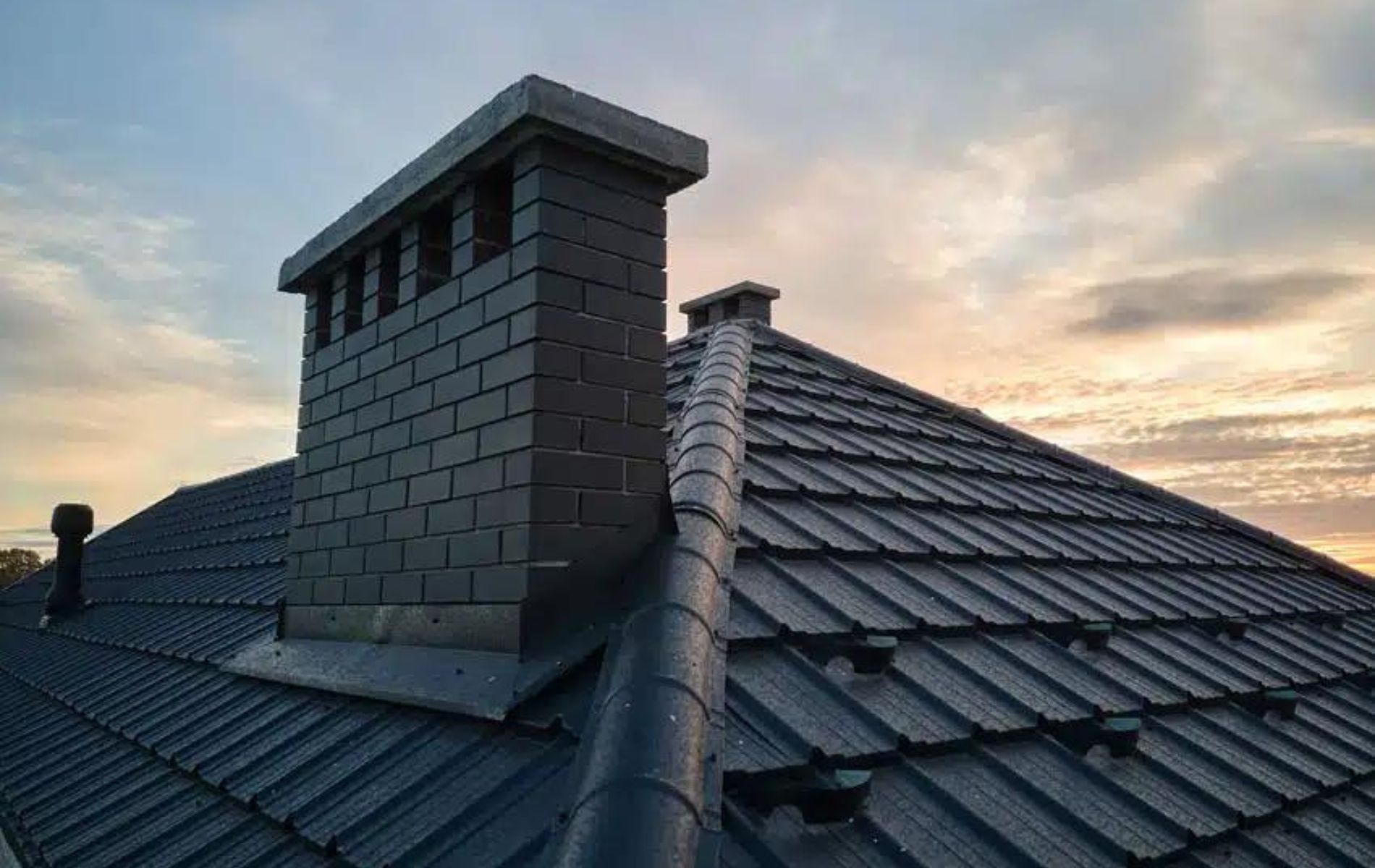
What does regular chimney maintenance include?
Regular chimney maintenance includes removing soot and creosote, checking the flue and liner, inspecting the chimney crown, cap, flashing, mortar joints, brickwork, and confirming that smoke and combustion gases can vent safely. For many homeowners, the best routine is an annual chimney inspection, with chimney sweep services scheduled as needed based on fireplace use, fuel type, and the amount of buildup found. This combination helps with chimney fire prevention, chimney leak prevention, and early detection of structural issues before they spread into the roofline or interior walls.
A practical maintenance visit is not just a quick look from the ground. A trained contractor should evaluate the visible chimney stack, the fireplace or appliance connection, the flue passage, exterior masonry, and any signs of water entry. In older homes, row houses, multi-family properties, and buildings exposed to freeze-thaw weather, chimney brick maintenance and chimney mortar joint repair are especially important because small openings can let water in, weaken the stack, and accelerate deterioration.
Local chimney maintenance for Bronx, NYC, and Westchester homes
RH Renovation NYC works with homeowners who need chimney maintenance in NYC, chimney maintenance services Bronx, and chimney repair Westchester NY. The company can help when you are preparing for winter, recovering after a storm, addressing leaks around the roofline, or trying to understand whether a chimney needs repair, restoration, or rebuilding. Local homes often deal with heavy rain, snow, wind, aging mortar, roof penetrations, and older flue systems, so routine fireplace and chimney maintenance is part safety work and part building protection.
Service starts with a clear look at the condition of the chimney and the surrounding exterior. If the issue is minor, such as early mortar wear or a damaged cap, targeted maintenance may be enough. If the chimney has movement, deep cracking, damaged liners, or major water intrusion, RH Renovation NYC can explain the difference between chimney repair vs replacement so you can choose the right level of work without guessing.
For service inquiries, contact RH Renovation NYC at +1 646-818-4305 or visit the team at 1951 Hone Ave, Bronx, NY 10461.
Chimney maintenance checklist for homeowners
A good chimney maintenance checklist helps you notice problems early, especially after winter or before the first cold night of the season. You do not need to climb the roof or open sealed areas to be proactive. Instead, look for visible changes and call for chimney sweeping services or a chimney safety inspection when something seems off.
Use this homeowner checklist during spring, fall, and after severe weather:
- Schedule an annual chimney inspection. A yearly check helps identify chimney soot buildup, creosote, liner damage, leaks, or masonry movement before fireplace season.
- Ask how often should a chimney be cleaned. The answer depends on use, fuel, and inspection findings; frequent fires usually mean more frequent chimney flue cleaning and creosote removal.
- Look for stains near the fireplace or ceiling. Brown marks, peeling paint, damp odors, and soft drywall can point to chimney water damage prevention needs.
- Watch for smoke problems. Chimney smoke problems may come from blocked flues, poor draft, damaged liners, or ventilation issues that need professional review.
- Check the chimney cap from the ground. Chimney cap maintenance helps keep out rain, animals, leaves, and debris that can restrict airflow.
- Look at the exterior brick. Spalling brick, missing mortar, white staining, leaning sections, or cracks are common signs a chimney needs repair.
- Request chimney inspection after a storm. High winds, falling branches, and heavy rain can damage caps, flashing, crowns, and masonry.
- Plan chimney maintenance before winter. Fall service gives you time to complete cleaning, liner repairs, chimney waterproofing, or crown repair before heavy use.
This checklist is not a substitute for a professional chimney safety inspection, but it helps you know when to call. The most important rule is simple: do not ignore water, smoke, movement, or falling masonry. Those symptoms usually become more expensive when left untreated.
Chimney cleaning, flue care, and liner inspection
Chimney cleaning removes soot, ash, and creosote from the flue system so smoke can move out of the home more safely. Creosote is a byproduct of burning wood, and it can build up on flue walls when fires burn cool, airflow is poor, or the fireplace is used often. Professional chimney cleaning services use the right brushes, vacuums, and containment methods to clean the system without spreading debris through the living space.
Chimney flue maintenance is also about visibility. Once buildup is removed, it becomes easier to see cracks, gaps, damaged tiles, corrosion, or obstructions. A chimney liner inspection can show whether the liner is still protecting the surrounding structure from heat, smoke, and combustion byproducts. If a liner is cracked, missing, poorly sized, or deteriorated, RH Renovation NYC can discuss chimney liner maintenance, flue liner installations, and repairs.
Chimney ventilation maintenance matters for fireplaces, boilers, furnaces, and other vented appliances. If exhaust cannot move correctly, the home may experience smoke rollout, unpleasant odors, poor appliance performance, or unsafe draft conditions. A complete chimney cleaning and inspection looks at the system as a whole, not just the visible fireplace opening.
Masonry, moisture, and structural chimney care
Water is one of the biggest causes of common chimney problems. Rain can enter through cracked crowns, failed flashing, missing caps, porous brick, and open mortar joints. In cold weather, trapped moisture can freeze, expand, and break down masonry. That is why chimney leak prevention and chimney water damage prevention should be part of every maintenance plan.
Chimney brick maintenance focuses on keeping the exterior stack stable and weather-resistant. Loose or cracked mortar can often be handled with chimney tuckpointing or chimney mortar joint repair when the surrounding brick is still sound. If bricks are cracked, crumbling, or displaced, brick replacement may be needed to restore strength and shed water properly.
Structural issues require a more careful decision. Chimney structural damage may show up as leaning, separation from the building, deep vertical cracks, missing sections, or repeated leaks after patch repairs. In these cases, the conversation may shift from maintenance to chimney masonry repair, partial rebuilding, or full structural reconstruction. The goal is to prevent chimney deterioration while choosing a repair scope that matches the actual condition of the stack.
Chimney & Exterior Services Offered
RH Renovation NYC provides chimney maintenance services and integrated exterior work for homes that need both repair and prevention. This is useful when the chimney problem is connected to the roof, flashing, gutters, skylights, or surrounding masonry rather than the flue alone.
Chimney repair and restoration
Chimney repair and restoration can address worn masonry, open joints, cracked brick, and weather-damaged sections. Services include Tuckpointing, mortar joint repair, and brick replacement to restore the chimney’s exterior condition and help slow water entry. These repairs are especially helpful when the stack is generally stable but showing age, winter damage, or early deterioration.
Chimney rebuilding
When damage is too extensive for spot repair, RH Renovation NYC can provide chimney rebuilding, including partial or full structural chimney reconstructions. Partial rebuilding may be appropriate when the upper stack is failing but the lower portion is sound. Full reconstruction may be considered when the chimney is unstable, severely deteriorated, or no longer safe to maintain with surface repairs.
Chimney lining
Chimney lining services include flue liner installations and repairs for homes with damaged, missing, or aging liner systems. A properly functioning liner helps protect the chimney structure, improve venting, and support safer use of the connected fireplace or appliance. Liner work is often recommended after inspection findings show cracks, gaps, corrosion, or improper sizing.
Crown, Cap & Flashing
Under Crown, Cap & Flashing, RH Renovation NYC provides chimney crown repairs, chimney caps, and roofline flashing seals. The crown helps shed water from the top of the masonry, the cap helps block rain and debris from entering the flue, and flashing seals the roof-to-chimney intersection. Together, these components are central to chimney leak prevention.
Integrated exterior work
Chimney issues often overlap with roofing and drainage problems. RH Renovation NYC also offers integrated exterior work including roof replacements, shingle and flat roofs, skylights, and gutter installations. Coordinating these services can help resolve leaks more completely when water is entering around the roofline, chimney base, or nearby exterior openings.
Seasonal maintenance before and after winter
Chimney maintenance before winter prepares your fireplace, flue, masonry, and roofline for heavier use and harsher weather. This is the time to schedule an annual chimney inspection, confirm the cap is secure, remove creosote, repair open joints, and address crown or flashing concerns. If the fireplace has not been used in a while, a safety check is especially important before lighting the first fire.
Chimney maintenance after winter is just as important. Freezing temperatures, snow, and repeated moisture exposure can loosen mortar, crack crowns, damage flashing, and worsen small leaks. A spring or early summer inspection gives homeowners time to complete chimney waterproofing, chimney crown repair, tuckpointing, or brick replacement before the next heating season.
A simple seasonal plan can look like this:
- Spring: Check for storm damage, staining, loose brick, damaged caps, and winter masonry wear.
- Summer: Complete chimney masonry repair, waterproofing, roofline flashing seals, or liner repairs while weather is more workable.
- Fall: Schedule chimney sweep services, confirm ventilation, and prepare the fireplace or appliance for regular use.
- Winter: Monitor odors, smoke behavior, leaks, and unusual cracking; call for service if conditions change.
This rhythm keeps maintenance from becoming a last-minute emergency. It also helps homeowners budget for needed work in stages instead of waiting until water damage or chimney structural damage becomes urgent.
Repair, replacement, and maintenance cost considerations
Chimney maintenance costs vary because every chimney has a different height, age, access point, liner type, masonry condition, and roof connection. A basic cleaning and inspection is very different from chimney crown repair, liner installation, full rebuilding, or exterior roof work. Rather than relying on a generic price, homeowners should ask for a condition-based assessment that separates immediate safety concerns from recommended preventive repairs.
When comparing chimney repair vs replacement, the deciding factors usually include structural stability, depth of deterioration, water damage, liner condition, and whether previous repairs have failed. Targeted repair can make sense when the damage is limited and the core structure is sound. Replacement or rebuilding may be the better path when the chimney is unstable, severely cracked, or repeatedly leaking despite patchwork.
For homeowners searching for chimney contractors near me, the right contractor should be able to explain what was found, why it matters, and which repairs are necessary now. Clear documentation, practical maintenance tips, and a realistic repair sequence are more useful than a one-size-fits-all recommendation.
Schedule chimney maintenance with RH Renovation NYC
If you are seeing leaks, smoke problems, crumbling mortar, missing caps, damaged flashing, or heavy soot, schedule a chimney inspection before the issue spreads. RH Renovation NYC can provide chimney maintenance, chimney cleaning and inspection, masonry repair, liner work, waterproofing, rebuilding, and connected exterior services for homes in the Bronx, NYC, and surrounding service areas.
The best time to call is before a small defect turns into interior water damage or unsafe fireplace operation. Reach out to request an inspection, discuss the condition of your chimney, and plan the right maintenance or repair approach for your home.
All in all, the importance of regular maintenance for extending the lifespan of your exterior chimney cannot be overstated. It not only ensures the structural integrity and safety of your chimney but also contributes to the efficiency and aesthetic appeal of your home. Scheduling annual inspections and cleanings by a professional is a wise investment in the long-term health of your chimney and the safety of your home. Remember, a well-maintained chimney is a safe and efficient chimney.