Average Cost to Replace Roof Shingles
Roof shingles play an important role in protecting your home from rain, snow, wind, and other weather conditions. They also contribute to your property’s appearance and curb appeal. However, shingles can eventually deteriorate, crack, curl, or become loose, making replacement necessary to maintain the condition of your roofing system.
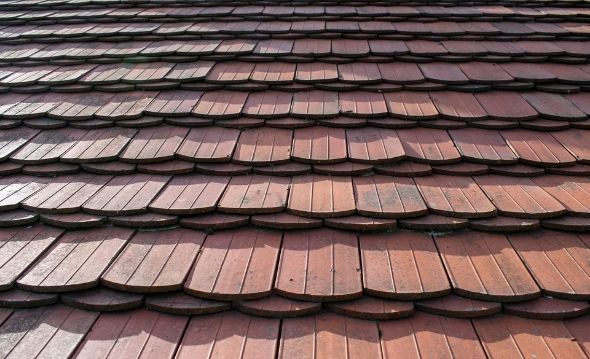
If you are planning a roof replacement, one of your first questions is likely to be: How much does it cost to replace roof shingles?
The answer depends on several factors, including the size of your roof, the type of shingles you choose, labor costs, roof accessibility, and whether the existing roofing materials need to be removed. Additional repairs to roof decking, flashing, and ventilation can also influence the final estimate.
For homeowners in New York City and surrounding areas, local labor rates, property access, and building requirements can make roofing costs different from national averages.
In this guide, RH Renovation explains the average cost to replace roof shingles, compares popular roofing materials, identifies the factors that affect installation costs, and explains when repairing individual shingles may be more practical than replacing the entire roof.
How Much Does It Cost to Replace Roof Shingles?
The cost of replacing roof shingles varies depending on whether you need a small repair, a partial roof replacement, or a complete roofing system replacement.
As a useful market reference, Angi’s May 2026 New York City cost data reports an average shingle roofing project cost of approximately $11,823, with a commonly reported range of $8,445 to $27,024.
These figures are third-party market estimates, not fixed contractor prices or a guaranteed quote from RH Renovation. Actual costs can be lower or higher depending on the property’s roofing requirements.
For homeowners, it is important to understand that replacing a few damaged shingles is very different from removing and installing an entirely new roof.
A full replacement may include:
- Removing the existing shingles.
- Inspecting the underlying roof decking.
- Replacing damaged or deteriorated decking where necessary.
- Installing appropriate underlayment.
- Adding starter shingles and drip edges.
- Installing the new roofing shingles.
- Replacing or repairing flashing around roof penetrations.
- Installing ridge caps and other roofing accessories.
- Removing construction debris and completing a final inspection.
A professional inspection is the best way to determine which of these services your property actually needs.
Average Cost to Replace Roof Shingles by Material
The roofing material you select has a significant influence on your overall project budget. Different shingles have different manufacturing costs, installation requirements, appearances, and performance characteristics.
Here are some of the most common roofing options homeowners consider.
1. Asphalt Shingles
Asphalt shingles are among the most widely used residential roofing materials because they offer a practical combination of affordability, appearance, and installation flexibility.
They are available in different styles and quality levels, making them suitable for a variety of residential properties.
Common options include:
Three-tab asphalt shingles: These traditional shingles have a relatively flat appearance and are generally among the more economical asphalt options.
Architectural shingles: Also known as dimensional or laminated shingles, these products have a layered appearance that provides additional visual depth.
Premium asphalt shingles: Designer shingles offer more distinctive profiles, textures, and color combinations.
The final installation cost depends on the product selected, roof dimensions, labor, and preparation work.
2. Composite Shingles
Composite shingles are manufactured using engineered materials, which may include recycled plastics, rubber, and other synthetic components.
Some products are designed to reproduce the appearance of natural slate or wood shakes without using the same traditional materials.
Potential advantages include:
- A variety of architectural styles.
- Different textures and color combinations.
- Product-specific resistance to moisture and weather exposure.
- Options designed to reduce maintenance requirements.
Composite roofing products vary considerably, so homeowners should compare the manufacturer’s specifications, expected maintenance, and warranty coverage before choosing one.
3. Wood Shingles and Shakes
Wood shingles and shakes offer a distinctive natural appearance that can complement certain architectural styles.
They are generally manufactured from durable wood species such as cedar.
However, wood roofing requires appropriate installation and maintenance. Exposure to moisture, poor ventilation, biological growth, and inadequate maintenance can contribute to deterioration.
Before selecting wood roofing, consider local building requirements, fire-related restrictions, maintenance expectations, and the property’s exposure to moisture.
4. Metal Shingles
Metal shingles are available in several styles and finishes. Some products are designed to resemble traditional asphalt shingles, slate, or other roofing materials.
Metal roofing can offer durability and a relatively low-maintenance surface when properly specified and installed.
However, the cost depends on the metal type, panel or shingle design, protective coating, installation system, and required accessories.
5. Clay and Slate Roofing
Clay and natural slate are premium roofing materials known for their distinctive appearance and long service potential when correctly installed and maintained.
They are generally heavier than asphalt shingles and may require additional structural considerations.
Before choosing either option, a qualified contractor should evaluate the roof structure, load requirements, installation details, and suitability for the property.
These materials are not interchangeable with conventional asphalt shingles, and their installation costs can be substantially different.
What Factors Affect the Cost of Replacing Roof Shingles?
Even when two properties use the same roofing material, their replacement costs can differ considerably.
Understanding the following factors will help you evaluate estimates more effectively.
1. Roof Size and Square Footage
Roof size is one of the biggest factors influencing replacement costs.
Roofing contractors commonly measure materials in squares. One roofing square represents 100 square feet of roof coverage.
For example:
- 10 roofing squares cover approximately 1,000 square feet.
- 15 roofing squares cover approximately 1,500 square feet.
- 20 roofing squares cover approximately 2,000 square feet.
- 25 roofing squares cover approximately 2,500 square feet.
These measurements refer to the actual roof surface, not necessarily the home’s interior floor area.
A larger roof generally requires more shingles, underlayment, flashing, fasteners, and installation labor.
Roof measurements also account for the slope and design of the property. A house with a steep roof may have considerably more roofing surface than its ground-level footprint suggests.
2. Roof Pitch and Design Complexity
A simple roof with a standard pitch is generally easier to work on than a steep or complicated roof.
Several architectural features can increase installation time and labor requirements:
- Multiple roof slopes.
- Dormers and valleys.
- Chimneys.
- Skylights.
- Complex roof intersections.
- Difficult access points.
- Multiple roof levels.
Steeper roofs may also require additional fall-protection equipment and safety precautions.
For this reason, contractors should evaluate the actual roof structure before providing a final replacement estimate.
3. Removal of Existing Shingles
If your existing roof has deteriorated, removing the old shingles may be necessary before installing the new roofing system.
The removal process involves labor, disposal, equipment, and appropriate protection for the surrounding property.
The cost can increase if:
- More than one layer of shingles is present.
- Existing materials are particularly heavy.
- Access for disposal equipment is restricted.
- The roof has difficult-to-reach sections.
- Additional preparation is required.
Ask whether tear-off and disposal are included in your written estimate. Some proposals separate these items from the installation price.
4. Roof Decking Repairs
The roof deck is the structural surface beneath the roofing materials.
Although shingles may look damaged from the outside, the underlying decking can also deteriorate because of prolonged moisture exposure, leaks, or inadequate ventilation.
During a full roof replacement, removing the old materials allows the contractor to inspect the decking more closely.
If sections are soft, rotted, or structurally compromised, they may need repair or replacement before new shingles are installed.
The amount of additional work depends on the extent of the damage and the materials required.
This is one reason homeowners should be cautious about estimates that promise a complete replacement without allowing for the possibility of concealed damage.
5. Labor and Installation Requirements
Roofing labor is influenced by the project’s size, complexity, safety requirements, and installation method.
In New York City, labor costs can be affected by local operating expenses, property access, safety regulations, and scheduling conditions.
For example, working on a multi-story residential property with restricted access may require more planning than replacing shingles on a straightforward detached home.
Professional installation also involves more than attaching shingles. Proper alignment, fastening, flashing, waterproofing, and ventilation are essential parts of a complete roofing system.
6. Underlayment, Flashing, and Roofing Accessories
New shingles alone do not provide a complete roofing system.
Other components help protect vulnerable areas and manage water movement.
These may include:
Underlayment: An additional protective layer installed over the roof deck beneath the shingles.
Ice and water protection: Self-adhering waterproofing membranes used in specified vulnerable roof areas where required or appropriate.
Drip edges: Metal components installed along roof edges to help direct water away from the underlying roof structure.
Flashing: Materials used around chimneys, skylights, vents, walls, and other roof intersections.
Starter shingles: Specialized shingles installed along roof edges to support the first course of roofing.
Ridge caps: Roofing components used to cover and protect roof ridges and hips.
The type and quantity of these materials depend on the roof design, manufacturer instructions, and applicable building requirements.
7. Permits and Local Building Requirements
Depending on the municipality and the scope of work, roof replacement may require permits or inspections.
New York City, the Bronx, and Westchester municipalities may have different requirements depending on the property and proposed construction.
Homeowners should confirm whether permits are needed and establish who will handle the application and inspection process.
A contractor should explain these responsibilities in the project proposal rather than leaving them unclear.
Is It Cheaper to Replace Individual Shingles or the Entire Roof?
Not every damaged shingle means your entire roof needs replacement.
In some situations, replacing a small section of damaged shingles can restore the roof’s protective surface without the expense of a complete replacement.
Individual or partial shingle replacement may be suitable when:
- Damage is limited to a small area.
- The surrounding shingles remain in good condition.
- The underlying roof decking is sound.
- There are no widespread signs of deterioration.
- Matching replacement shingles are available.
However, a complete roof replacement may be more appropriate when:
- Shingles are deteriorating across multiple roof sections.
- Widespread curling, cracking, or granule loss is visible.
- Leaks have affected multiple areas.
- The roof is approaching the end of its expected service life.
- Previous repairs have repeatedly failed.
- The underlying roofing system has significant damage.
There is also an important distinction between replacing visible shingles and correcting the source of a roof leak.
Water can travel beneath roofing materials before appearing inside your home. Simply replacing a damaged shingle may not resolve the problem if defective flashing, deteriorated underlayment, or damaged decking is responsible.
A professional roof inspection can help determine the most appropriate solution.
When Should You Replace Your Roof Shingles?
Recognizing early signs of roofing deterioration can help you address problems before they develop into more extensive repairs.
Watch for these warning signs:
Missing shingles: Strong winds or deteriorated fastening can cause shingles to become loose or detach.
Curling or buckling: Shingles that lift, curl, or develop uneven surfaces may indicate aging, installation problems, or moisture-related issues.
Granule loss: Excessive granule accumulation in gutters or around downspouts may indicate that asphalt shingles are deteriorating.
Water stains: Ceiling discoloration, damp attic insulation, or visible moisture can indicate a roof leak.
Damaged flashing: Loose or deteriorated flashing around chimneys and skylights can create vulnerable entry points for water.
Sagging roof sections: Visible sagging may indicate an underlying structural or decking problem and should be assessed promptly.
The age of your roof is another consideration, but it should not be the only reason for replacement. Actual condition, material type, installation history, and maintenance all matter.
How to Reduce Your Roof Shingle Replacement Costs
Although homeowners cannot control every roofing expense, a few practical decisions can help manage the overall investment.
- Arrange an inspection early: Addressing localized damage before it spreads may help prevent more extensive repairs.
- Compare detailed estimates: Review the materials, labor, tear-off, disposal, and additional work included in each proposal.
- Choose suitable materials: Select shingles that meet your property’s performance requirements without paying for features you do not need.
- Address ventilation problems: Appropriate attic ventilation can help manage heat and moisture and support roofing system performance.
- Maintain your gutters: Blocked or damaged gutters can contribute to water-related problems around roof edges.
- Avoid choosing solely by price: An unusually low estimate may exclude important preparation, waterproofing, or installation work.
- Understand the warranty: Review product coverage, installation requirements, exclusions, and any applicable workmanship protection.
The goal is not simply to find the cheapest roof replacement. It is to invest in a roofing system that is appropriately installed and suitable for your home.
Why Choose RH Renovation for Roof Shingle Replacement?
Choosing the right roofing contractor is just as important as selecting the right shingles.
RH Renovation provides residential roofing and exterior renovation services throughout the Bronx, Westchester, Queens, and Brooklyn.
Serving the New York area since 2004, RH Renovation is a GAF Master Elite® roofing contractor offering roofing solutions for different residential property requirements.
Our approach focuses on understanding the roof’s condition, explaining the recommended work, and helping homeowners make informed decisions about materials and installation.
Homeowners can benefit from:
- Licensed and insured roofing services.
- Complimentary in-home roofing estimates.
- Written project proposals.
- Residential roof repair and replacement.
- Shingle roofing solutions.
- Flat roofing services.
- Related exterior services, including gutter, chimney, and skylight work.
Whether you have a few missing shingles or are considering a complete roof replacement, an assessment can help establish the actual scope of work.
We also consider related roofing components, such as flashing, ventilation, and drainage, when evaluating the condition of your roof.
Frequently Asked Questions About Roof Shingle Replacement Costs
1. What is the average cost to replace roof shingles?
The cost depends on roof size, shingle material, labor, removal, and additional repairs. A 2026 Angi estimate for New York City reports an average shingle roofing project cost of approximately $11,823, although individual projects can vary considerably.
2. How much does it cost to replace asphalt roof shingles?
Asphalt shingle replacement costs depend on whether you are replacing a small damaged section or the entire roofing system. Roof dimensions, shingle quality, labor, tear-off, and decking repairs all affect the final price.
3. How many roofing squares do I need for my house?
One roofing square covers 100 square feet. Divide the measured roof surface area by 100 to estimate the number of squares required. Additional material is normally needed to account for cutting, overlaps, and waste.
4. Is it cheaper to repair or replace a shingle roof?
A localized repair is generally less expensive when the damage is limited and the surrounding roof remains in good condition. Widespread deterioration, repeated leaks, or damaged decking may make complete replacement a more appropriate long-term solution.
5. Does replacing roof shingles include removing the old shingles?
Not always. Some roofing estimates include tear-off and disposal, while others list these as separate charges. Always confirm what is included in the written proposal.
6. How long does it take to replace roof shingles?
The timeline depends on roof size, design complexity, weather, material availability, and the amount of preparation or repair work required. A straightforward residential replacement may take a few working days, while more complex projects can take longer.
7. What is the best type of shingle for a New York home?
Architectural asphalt shingles are a popular residential option because they offer a range of styles and performance specifications. However, the best choice depends on your roof design, budget, weather exposure, and preferred appearance.
8. Can damaged shingles cause roof leaks?
Yes. Missing, cracked, or improperly installed shingles can expose vulnerable areas of the roofing system to water intrusion. However, leaks can also originate from flashing, valleys, skylights, chimneys, or other roof components.
Get a Roof Replacement Estimate From RH Renovation
Replacing roof shingles is an important investment in your home’s protection and appearance. Understanding the costs, materials, and installation requirements can help you avoid unnecessary expenses and choose a solution that suits your property.
Whether you need localized shingle repairs or a complete roof replacement, RH Renovation can assess your roofing requirements and explain the available options.
We provide complimentary roofing estimates for homeowners throughout the Bronx, Westchester, Queens, and Brooklyn.
Call RH Renovation at (646) 818-4305 or request a complimentary roofing estimate to discuss your roof replacement project.
For more detailed information about cost and prices, feel free to contact us at RH Renovation NYC to get a free estimate. Our team will guide you through the process of selecting the right shingles for your home and help you get a fresh new look for your roof.