How to Get Your Insurance to Cover Roof Replacement
A roof leak after a storm can quickly turn into a bigger question: will your insurance pay for repairs, or will it cover a full replacement? If you’re wondering how to get your insurance to cover roof replacement, the answer depends on your policy, the cause of damage, the age and condition of the roof, and the quality of your documentation.
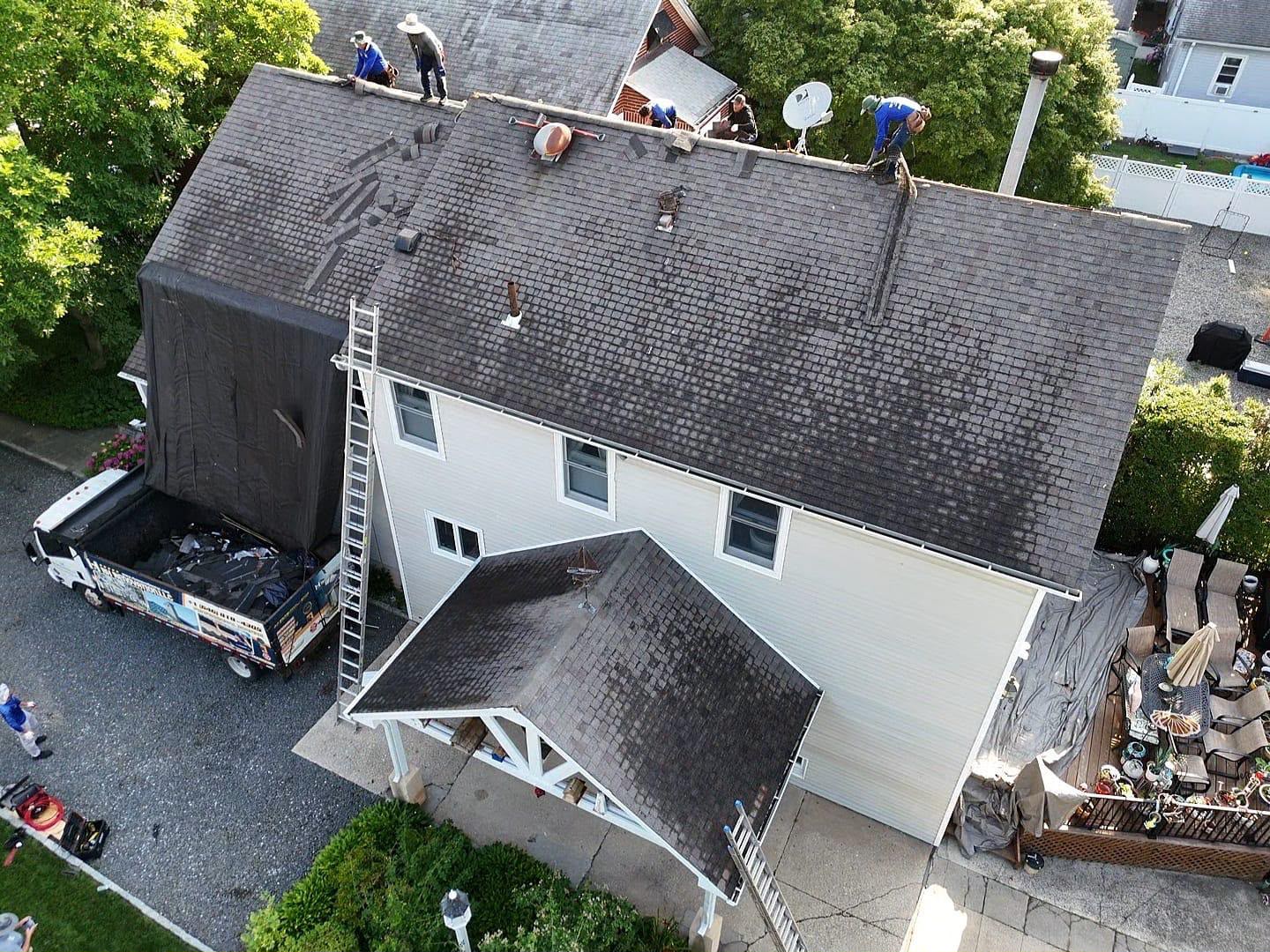
This guide walks you through the practical claim process steps homeowners can use to improve their chances of a fair outcome. It is written for property owners who want to understand roof replacement coverage without guessing, rushing, or accepting the first answer without context.
If you are in the Bronx, New York, or elsewhere in NYC, a qualified exterior contractor such as RH RENOVATION LLC can be helpful for inspections, photos, estimates, emergency repairs, and replacement work. The contractor does not decide whether your claim is approved, but good documentation can make your insurance claim for roof replacement much stronger.
Start by Understanding What Insurance Usually Covers
Most homeowners insurance policies are designed to cover sudden and accidental damage. For roofs, that may include damage caused by events such as:
- Windstorms
- Hail
- Fallen trees or branches
- Fire
- Certain types of water intrusion caused by a covered event
- Impact damage from debris
- Storm-related shingle, flashing, or roof system damage
Coverage is less likely when the roof problem is caused by age, deferred maintenance, poor installation, normal wear, or long-term deterioration. For example, a roof that has been leaking slowly for years may not qualify the same way as a roof damaged by a sudden wind event.
That distinction matters because many roof damage claims are not denied simply because damage exists. They may be denied because the insurer decides the damage was not caused by a covered event. Your goal is to document not just the condition of the roof, but the likely cause and timing of the damage.
Step 1: Review Your Insurance Policy Before You File
Before calling your insurance company, take a few minutes to review your policy documents. You do not need to become an insurance expert, but you should look for several key items:
- Your deductible amount
- Whether your roof is covered at replacement cost or actual cash value
- Exclusions related to age, maintenance, wind, hail, cosmetic damage, or flat roofing systems
- Time limits for reporting a claim
- Requirements for emergency mitigation
- Whether interior damage is covered separately from exterior roof damage
Replacement cost coverage may pay based on the cost to restore the roof to a comparable condition, subject to policy terms. Actual cash value coverage may subtract depreciation based on age and condition. This difference can significantly affect the amount paid on a roof replacement insurance claim.
If you are unsure what a clause means, ask your insurance representative to explain it in plain language. Keep notes of the conversation, including the date, time, name of the person you spoke with, and any claim number provided.
Step 2: Protect the Property From Further Damage
If the roof is actively leaking, your first responsibility is to prevent additional damage where safely possible. This may include placing a bucket under a leak, moving furniture, covering belongings, or arranging temporary protection.
Do not climb onto a wet, steep, icy, or visibly damaged roof. Safety comes first. If temporary tarping or emergency work is needed, contact a qualified roofing professional.
RH RENOVATION LLC, based in the Bronx, offers 24/7 service availability, which can be useful when a leak or storm event cannot wait until the next business day. Emergency documentation is especially important because insurers often want to see that the homeowner took reasonable steps to reduce additional damage.
Save receipts for any emergency roof repair work, temporary tarping, cleanup, or materials. These expenses may be relevant to your claim, depending on your policy.
Step 3: Document the Damage Thoroughly
Documentation is one of the most important parts of any insurance claim roof replacement situation. Before anything is permanently repaired, collect clear evidence.
Take photos and videos of:
- Missing, lifted, curled, cracked, or torn shingles
- Damaged flashing around chimneys, skylights, vents, and walls
- Roof punctures or impact marks
- Damaged gutters, siding, fascia, or masonry near the roofline
- Interior ceiling stains, bubbling paint, wet insulation, or attic moisture
- Fallen branches or storm debris
- Water trails or active leaks
- Any temporary tarp or emergency protection installed
If the damage happened after a storm, write down the date and approximate time you first noticed the issue. Also note what you observed: strong wind, heavy rain, hail, fallen limbs, or visible debris.
For NYC properties, roof damage may involve more than shingles. Flat roofing, masonry parapets, skylights, siding, and gutters can all affect how water enters the building. Because RH RENOVATION LLC handles roofing installations, repairs, maintenance, masonry, skylights, siding, and gutters, the company can help identify related exterior issues that may be part of the same damage event.
Step 4: Get a Professional Roof Inspection
A professional inspection can help separate minor repair needs from damage that may justify a full replacement. The contractor should inspect the roof surface, roof edges, flashing, penetrations, drainage, attic or interior conditions when accessible, and adjacent exterior components.
Ask for an inspection that includes:
- Photos of visible damage
- Notes on the likely cause of damage
- Areas where water may be entering
- Repair versus replacement recommendations
- A written estimate or scope of work
- Any safety concerns
This is where experienced insurance claim help can make a difference. A contractor who regularly documents storm, leak, and exterior damage can provide organized information for your insurer. They should not promise claim approval, inflate damage, or tell you to hide pre-existing issues. The best support is accurate, detailed, and professional.
RH RENOVATION LLC is a highly rated exterior contracting company in the Bronx with a 5-star rating and 300+ reviews, according to the company highlights provided. Homeowners searching for RH Renovation nyc may consider the company for roof inspections, online estimates, documentation, and repair or replacement planning.
Step 5: Decide Whether to File a Claim
Not every roof issue should automatically become an insurance claim. If the repair cost is close to or below your deductible, it may not make financial sense to file. If the damage is clearly due to age or maintenance, filing may also lead to frustration.
Consider filing when:
- The damage appears sudden and storm-related
- There is active leaking from a covered event
- Several roof areas are affected
- Interior damage is visible
- The repair estimate is meaningfully higher than your deductible
- A contractor identifies damage consistent with wind, hail, impact, or another covered cause
Consider getting more advice before filing when:
- The roof is near the end of its expected service life
- Damage appears isolated and inexpensive to repair
- You are unsure whether the cause is covered
- You recently filed another claim
- Your policy has exclusions that may apply
A contractor can help explain the physical condition of the roof, but coverage decisions belong to the insurance company. If your situation is complicated, you may also want to speak with your insurance agent or a licensed public adjuster.
Step 6: File the Claim Promptly and Clearly
Once you decide to proceed, contact your insurance company and start the claim. You can usually do this by phone, online portal, or mobile app.
Be clear and factual. Avoid exaggeration or guessing. You might say something like:
“After the storm on [date], I noticed water staining on the ceiling and visible roof damage. I have photos and a contractor inspection scheduled. I would like to open a roof damage claim.”
When filing, ask for:
- Your claim number
- The adjuster’s name and contact information
- The next steps in the process
- Whether emergency repairs are approved or reimbursable
- How to submit photos, invoices, and estimates
- Any deadlines you need to meet
Keep all claim-related communication organized in one folder. Include emails, photos, videos, estimates, receipts, notes, and adjuster reports. A well-organized insurance claim for roof replacement is easier to review than a claim with scattered or incomplete information.
Step 7: Prepare for the Insurance Adjuster Visit
The insurance company will often send an adjuster to inspect the roof and related damage. This inspection is important because the adjuster’s report may influence whether your claim is approved, partially approved, or denied.
Before the adjuster arrives:
- Make sure the damaged areas are accessible
- Have your photos and videos ready
- Provide receipts for emergency work
- Share the contractor’s inspection report or estimate
- Point out interior leaks, attic moisture, and exterior damage
- Ask questions if you do not understand the process
If possible, have your roofing contractor present during the adjuster inspection. The contractor can identify damage, explain roof components, and discuss repair or replacement scope. This is not about arguing with the adjuster. It is about making sure visible damage is not missed.
For example, if shingles are missing and water also damaged a skylight curb, gutter line, or masonry area, a contractor familiar with roofing, skylights, siding, gutters, and masonry can help document the full exterior picture.
Step 8: Compare the Insurance Estimate With the Contractor Estimate
After the inspection, the insurance company may provide an estimate. Review it carefully. Do not assume it includes everything needed for a proper repair or replacement.
Compare the insurer’s estimate with your contractor’s scope of work. Look for whether it includes:
- Tear-off and disposal
- Underlayment or roof membrane
- Shingles or roofing material
- Flashing and drip edge
- Ventilation components
- Skylight or chimney flashing
- Gutters or related exterior damage
- Interior repairs, if applicable
- Code-related items, if included in your policy
- Labor, materials, permits, and cleanup
If something is missing, ask your contractor to explain it in writing. Your insurer may allow supplemental documentation if additional covered damage is found or if the original estimate missed necessary work.
This step is often where homeowners need practical roof repair insurance guidance. Sometimes insurance will pay for a repair. Other times, the damage is widespread enough that replacement is more appropriate. The decision depends on the policy, roof condition, local repair feasibility, material availability, and the insurer’s findings.
Step 9: Understand Repair Approval Versus Replacement Approval
A common point of confusion is the difference between covered damage and approved replacement. Your insurer may agree that damage occurred but only approve a repair. To receive roof replacement coverage, the evidence usually needs to support that repair is not sufficient, not practical, or not consistent with restoring the roof properly under the policy terms.
Reasons a replacement may be considered include:
- Damage across multiple roof slopes or sections
- Shingles or materials that cannot be reasonably matched
- Wind damage that compromised the roof system beyond one small area
- Impact damage affecting structural or waterproofing components
- Repeated leak points caused by the same covered event
- Repair attempts that would not restore the roof to a functional condition
Reasons replacement may not be approved include:
- Damage limited to a small repairable area
- Wear and tear unrelated to a covered event
- Pre-existing leaks
- Improper prior installation
- Excluded cosmetic issues
- Policy limitations based on roof age or condition
The strongest claim is one that connects the requested scope of work to documented damage and policy-covered cause. That is why the inspection, photos, estimate, and adjuster communication matter.
Step 10: Ask for a Reinspection if the Scope Seems Incomplete
If the insurance estimate seems too low or misses obvious damage, you can ask questions and provide additional documentation. In many cases, a reinspection or supplement request may be appropriate.
You might request a reinspection if:
- The adjuster did not inspect all affected roof areas
- Interior damage was not included
- The estimate omits necessary roofing components
- Your contractor found additional covered damage
- The repair method proposed is not realistic
- The material listed does not match the existing roof system
Stay polite and factual. Provide photos, measurements, contractor notes, and written explanations. Avoid emotional language. A clear supplement package is more useful than a complaint without evidence.
Contractors such as RH RENOVATION LLC can help prepare a detailed estimate and supporting photos. However, if there is a disagreement over policy interpretation, coverage, or claim handling, that may require your insurance agent, carrier representative, or a licensed public adjuster.
Step 11: Choose the Right Contractor for the Work
Once your claim is approved, choose a contractor based on qualifications, communication, workmanship, and clarity—not just price. A roof replacement affects your property’s structure, energy performance, water protection, and long-term maintenance needs.
Look for a contractor who:
- Provides a written scope of work
- Explains materials and installation methods
- Documents existing and newly discovered conditions
- Communicates clearly with homeowners
- Has experience with roofing and related exterior systems
- Offers repair, replacement, and maintenance options
- Provides realistic scheduling expectations
- Does not pressure you into signing before you understand the details
RH RENOVATION LLC can be positioned as an option for Bronx and NYC-area homeowners because the company offers roofing installations, repairs, and maintenance, along with masonry, skylights, siding, and gutters. Its online estimates and free parking for consultations may also make the planning process more convenient.
The company’s structured protection plans may be useful after the work is complete, especially for homeowners who want ongoing maintenance rather than waiting for the next leak or storm event.
Step 12: Keep Records After the Roof Is Repaired or Replaced
After the work is complete, keep a permanent file with:
- The signed contract
- Insurance estimate and payment documents
- Contractor invoice
- Photos before, during, and after work
- Material information
- Warranty or workmanship details
- Permit records, if applicable
- Maintenance recommendations
- Future inspection notes
These records can help with future insurance questions, resale documentation, warranty issues, and maintenance planning. If another storm occurs later, you will have a baseline showing the roof’s condition after the completed work.
Good maintenance can also reduce future disputes. Schedule periodic inspections, clean gutters, check skylight and chimney flashing, and address small issues before they become major leaks.

Common Mistakes That Can Hurt a Roof Claim
Avoid these issues during the claim process:
- Waiting too long to report damage
- Throwing away damaged materials before documenting them
- Making permanent repairs before taking photos
- Assuming every leak qualifies for replacement
- Accepting a low estimate without reviewing the scope
- Hiring an unqualified contractor
- Missing interior damage documentation
- Forgetting to save emergency repair receipts
- Guessing about the cause of damage
- Signing documents you do not understand
Another mistake is treating the claim as only a roof surface issue. Water often travels. Damage at a skylight, chimney, parapet wall, gutter, or siding transition may be part of the same problem. A complete exterior inspection helps prevent overlooked details.
Example: When Repair May Be Enough
Imagine a Bronx homeowner notices a small leak near one vent after heavy rain. A contractor inspects the area and finds that the flashing around the vent is damaged, but the surrounding roof is otherwise in serviceable condition. The repair estimate is modest and close to the homeowner’s deductible.
In this case, a full insurance claim roof replacement may not be the best path. The homeowner may choose a direct repair instead, especially if the damage is isolated and not clearly connected to a larger covered event.
This is where an honest contractor is valuable. The right recommendation may be repair, maintenance, or monitoring—not always replacement.
Example: When Replacement May Be Worth Pursuing
Now imagine a storm causes lifted shingles across multiple roof slopes, water enters through the attic, and gutters and siding are also damaged by wind-driven debris. A contractor documents widespread roof damage, interior staining, and related exterior issues. The repair estimate is far above the deductible.
In that situation, filing an insurance claim for roof replacement may be reasonable. The homeowner would want to submit photos, contractor documentation, emergency repair receipts, and a complete scope of work.
The same basic principles apply whether someone is searching locally for Bronx roof claim support or using a phrase like insurance claim roof replacement dayton in another market: the insurer needs evidence of cause, date, damage, and necessary scope.
What If the Insurance Company Denies the Claim?
A denial is frustrating, but it is not always the end of the process. Start by asking for the denial reason in writing. Then compare that reason with your policy, contractor documentation, and photos.
Common denial reasons include:
- Damage attributed to wear and tear
- No evidence of a covered event
- Late reporting
- Excluded roof condition
- Insufficient documentation
- Damage below the deductible
- Pre-existing installation or maintenance issues
If you believe the denial is incomplete or incorrect, you can submit additional evidence, request a reinspection, or ask your insurance agent about next steps. For larger disputes, consider consulting a licensed public adjuster or an attorney familiar with property insurance claims in your area.
Remember: a contractor can document physical damage and provide repair or replacement estimates, but they do not control claim approval.
Final Checklist Before You Move Forward
Before you accept a settlement or begin work, make sure you have:
- Reviewed your policy and deductible
- Documented all roof and interior damage
- Completed a professional inspection
- Filed the claim with accurate information
- Met with the adjuster or provided access
- Compared the insurance estimate with the contractor estimate
- Asked about missing scope items
- Understood your out-of-pocket cost
- Selected a qualified contractor
- Saved all paperwork and photos
Getting insurance to cover a roof replacement is rarely about one phone call. It is about following a clear process, documenting the facts, and working with professionals who understand both roofing systems and claim documentation.
For Bronx and NYC-area homeowners, RH RENOVATION LLC is one option to consider for roof inspections, online estimates, emergency service, repair planning, and replacement work. With services spanning roofing, masonry, skylights, siding, and gutters, the company can help evaluate the exterior conditions that often affect roof claims.
If you suspect storm, leak, or impact damage, start with documentation and a professional inspection. The sooner you understand the condition of your roof, the better prepared you will be to make a confident decision about your insurance claim roof replacement.
Q&A
Question: What roof damage is typically covered by homeowners insurance, and what isn’t?
Short answer: Policies generally cover sudden and accidental damage, such as windstorms, hail, fallen trees or debris impacts, fire, and certain water intrusion tied to a covered event. Claims are less likely to be approved when issues stem from age, deferred maintenance, poor installation, normal wear, or long-term deterioration (like a leak that developed over years). To improve your chances, document not just the condition but also the likely cause and timing of the damage.
Question: What should I do right away after discovering roof damage?
Short answer: Prioritize safety and prevent further damage: move belongings, catch active drips, and arrange temporary protection. Don’t climb a wet or damaged roof—call a qualified roofer for emergency tarping or repairs. Save all receipts for emergency work, materials, and cleanup; these may be relevant to your claim. Start thorough documentation (photos/videos of roof, flashing, interior stains, debris, and any temporary protection) and note the date, time, and storm conditions you observed. In the Bronx/NYC, RH RENOVATION LLC offers 24/7 service and can help with emergency stabilization and documentation.
Question: How do I decide whether to file an insurance claim or pay out of pocket?
Short answer: Consider filing when the damage appears sudden/storm-related, affects multiple areas, causes interior leaks, or when the repair estimate materially exceeds your deductible—especially if a contractor identifies wind, hail, impact, or other covered causes. You might hold off if damage is minor and inexpensive to repair, your roof is near end-of-life, the cause seems excluded, you recently filed another claim, or your policy has relevant exclusions. A professional inspection and estimate can clarify scope and likely cause before you decide.
Question: What’s the difference between replacement cost and actual cash value (ACV) coverage for roofs?
Short answer: Replacement cost coverage generally pays based on the cost to restore the roof to a comparable condition (subject to policy terms). Actual cash value coverage subtracts depreciation for age and condition, which can significantly reduce the payout. Knowing which one you have—and your deductible—helps set realistic expectations for a roof repair or replacement claim.
Question: What if the insurer only approves a repair or denies my claim—how can I respond?
Short answer: Compare the insurer’s estimate to your contractor’s scope and identify missing items (e.g., tear-off, underlayment/membrane, flashing, ventilation, skylight/chimney details, related gutters/siding, interior repairs, code items). Provide clear photos, measurements, and written explanations, and request a supplement or reinspection if needed. Replacement is more likely when damage spans multiple slopes, materials can’t be matched, or the roof system is broadly compromised; it’s less likely if damage is small and repairable or tied to wear/installation issues. If denied, ask for the reason in writing and compare it to your policy and documentation; common reasons include wear-and-tear, no covered event, late reporting, exclusions, insufficient evidence, or damage below the deductible. You can submit more evidence, seek a reinspection, and consult your agent, a licensed public adjuster, or an attorney for larger disputes. Contractors like RH RENOVATION LLC can document conditions and estimates but don’t control claim approval.