New Roof but Still Leaking? What Went Wrong?
Imagine the relief of finally replacing your old, worn-out roof, only to wake up to the rhythmic ‘drip, drip, drip’ of water during the next heavy rainstorm. It is a homeowner’s worst nightmare. You just invested a significant amount of money, yet you find yourself dealing with water intrusion.
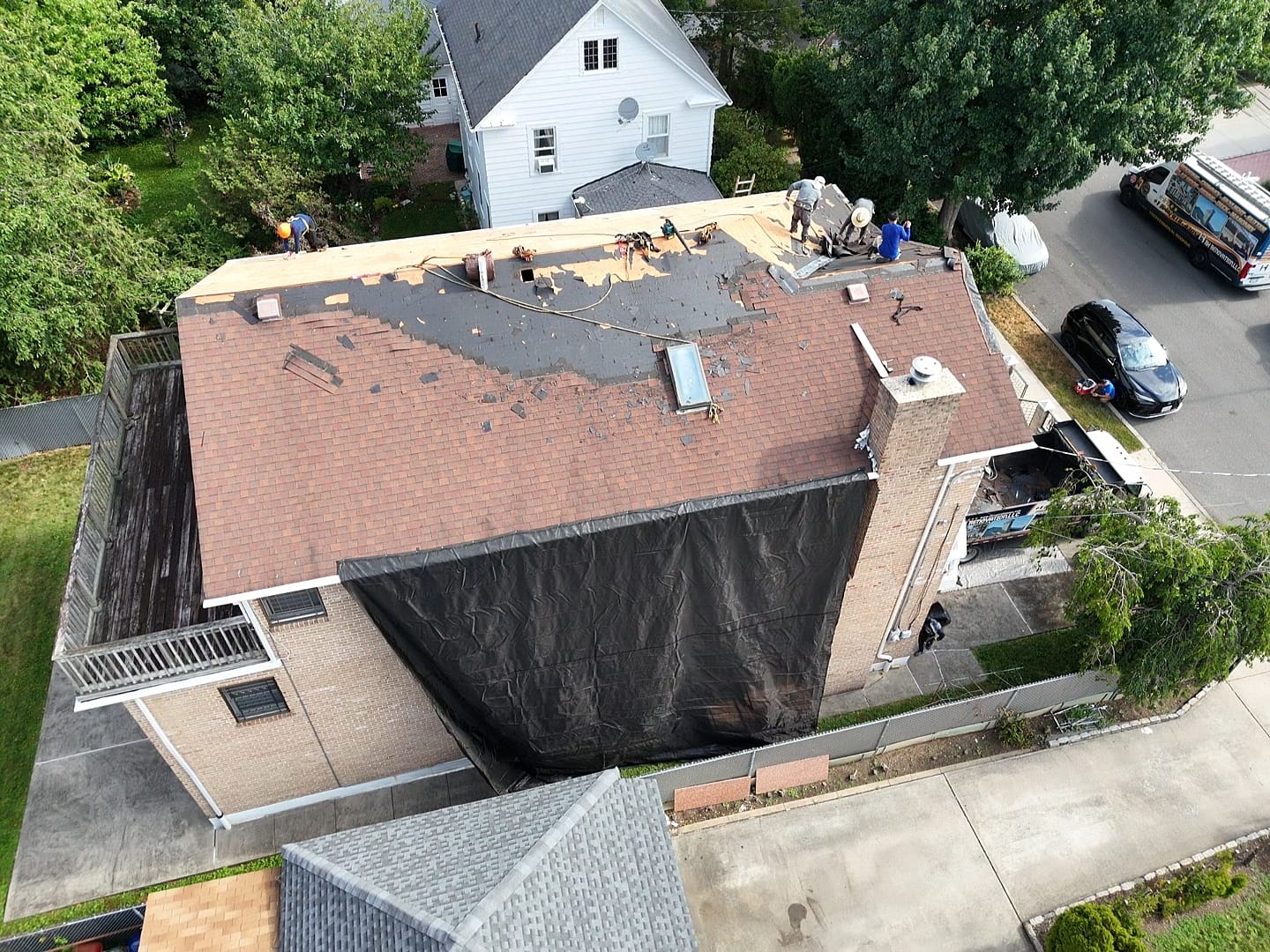
If you’re asking yourself, ‘New Roof but Still Leaking? What Went Wrong?’, you’re not alone.
A brand-new roof leaking is incredibly frustrating, but it happens more often than you might think. Usually, the issue isn’t the new shingles themselves, but rather the finer details of the installation, extreme weather anomalies, or the reuse of old roofing components.
In this comprehensive guide, we will explore exactly what went wrong with your new roof, how to mitigate the damage, and the most effective strategies for long-lasting roof leak repair.
Why Is My Brand-New Roof Leaking? The Common Culprits
When a recently installed roof leaks, contractor error or corner-cutting is frequently to blame. While the broad stretches of asphalt shingles or metal panels might be perfectly laid, the vulnerable points of any roof are its penetrations and edges.
1. Reused or Improperly Installed Flashing
Flashing is the thin metal material that directs water away from critical areas of the roof, wherever the roof plane meets a vertical surface. Many budget-friendly contractors will lay down new shingles but reuse old flashing to save time and money.
- Chimneys: The area where the masonry meets the roof is highly susceptible to leaks. Proper step and counter-flashing are required. If your contractor reused rusted materials, sealing leaking chimney flashing will quickly become a priority to stop water from streaming down your masonry.
- Plumbing Vents: The rubber boots surrounding your plumbing exhaust pipes degrade over time. If a contractor doesn’t bother replacing damaged plumbing vent boots during a roof replacement, the old, cracked rubber will inevitably let water slip past the new shingles.
2. Overlooked Skylights
A new roof does not automatically mean new skylights. If your skylights are older, the rigorous vibrations of the roof installation process can actually break their fragile weather seals. Repairing leaky skylight seals is often a necessary follow-up if the flashing kits or the glass gaskets were compromised during construction.
3. Missing Drip Edges
A crucial step in modern roofing is installing galvanized drip edges. This metal flashing sits at the very edge of the roof, extending beyond the fascia board. Without it, wind-driven rain can curl under the shingles, rotting the wooden decking and fascia underneath.

Tracking Down the Culprit
Water is deceptive. Because it follows the path of least resistance, the wet spot on your ceiling is rarely directly beneath the actual hole in your roof. Knowing how to find where a roof is leaking is an essential skill for any homeowner.
Inspecting the Interior
The best time to track a leak is during the day, while it’s actively raining. Grab a bright flashlight and carefully navigate into your attic.
- Trace the Path: Look for water traveling along rafters or the underside of the roof deck.
- Look for Warning Signs: Even if it isn’t actively raining, you can identify signs of water damage in attic spaces. Look for dark water stains on the wood, flattened or discolored insulation, and rusty nails.
- Act Quickly: Identifying and stopping the water source promptly is the only reliable method for preventing mold growth from moisture, which can become a severe health hazard and structural issue if left unaddressed.
Advanced Detection
If a visual inspection yields nothing, roofing professionals employ advanced leak detection methods. These include controlled water testing—where a hose is used to simulate rain on isolated sections of the roof—and infrared thermal imaging to detect temperature variations caused by hidden moisture behind walls and ceilings.
Immediate Actions When You Spot a Leak
When water is actively entering your home, you cannot afford to wait days for a contractor to arrive.
First, protect your interior by placing buckets under the leak and moving furniture. If the ceiling drywall is bulging, carefully poke a small hole in the center with a screwdriver to let the water drain. This prevents the ceiling from collapsing under the weight of accumulated water.
Next, if it is safe to do so, apply emergency roof tarping techniques . Using a heavy-duty, UV-resistant woven poly tarp, cover the suspected leak area. Ensure the tarp extends several feet beyond the damaged section, and secure it using sandbags or by wrapping the edges around 2×4 wooden boards and nailing those boards to the roof. Never nail a tarp directly into the roof without wood, as this just creates more holes.

Professional Interventions and Repair Strategies
Once the storm has passed, it is time to call in the professionals. Do not rely on the contractor who botched the installation if you suspect negligence; get a second opinion.
The Value of a Professional Assessment
Many homeowners hesitate to hire a new company, worrying about the cost of professional roof inspection . However, an independent, comprehensive inspection will provide you with a documented report of the contractor’s errors. This inspection should always include a structural roof deck integrity check to ensure the underlying wood hasn’t begun to rot from trapped moisture.
Repair Execution
Depending on the diagnosis, professional roofing solutions vary:
- Shingle Damage: If the installation crew dropped heavy tools or drove nails at the wrong angle, patching holes in asphalt shingles (or replacing the affected shingles entirely) will be required.
- Flat Roofs and Low Slopes: If your new roof features low-slope sections that are ponding water, the application of the best liquid rubber roof coatings can provide an impenetrable, seamless barrier. This is a highly effective form of waterproof roofing that flexes with temperature changes.
Weather Factors and External Damage
Sometimes, a leak isn’t the contractor’s fault at all. Severe weather can compromise even the best installations.
Winter Woes: Ice Dams
In cold climates, the impact of ice dams on shingles is devastating. When heat escapes from a poorly insulated attic, it melts the snow on the roof. This water runs down to the cold eaves and refreezes, creating a dam. Subsequent melting water backs up underneath the newly installed shingles. If the roofers didn’t install an adequate ice and water shield membrane, leaks are guaranteed.
Storm Damage
If a major storm with high winds or hail rolls through shortly after your installation, the roof may have suffered acute trauma. In these cases, you should document the damage meticulously and look into filing home insurance claims for storm damage. An insurance adjuster can help determine if an act of nature compromised your brand-new system.
Modern Roofing Innovations and Upgrades
If persistent leaks force you to redo certain sections of the roof, take advantage of modern roofing innovations . The industry has evolved rapidly, offering incredible new roof leakage solutions.
Today, synthetic underlayments have largely replaced traditional asphalt-saturated felt, offering superior tear resistance and waterproofing. Furthermore, self-adhering polymer-modified bitumen membranes are now standard for vulnerable areas like valleys and eaves, self-sealing around any nails driven through them. By integrating these advanced materials, you ensure a significantly more resilient defense against the elements.
Long-Term Care and Choosing the Right Partner
Even a flawless new roof requires attention. A common debate among homeowners is the value of roof maintenance vs full replacement . The truth is, proactive roof maintenance is the single best way to ensure you never need premature replacements.
Clearing debris from valleys, cleaning your gutters, and having your roof inspected annually can catch minor sealant degradation before it turns into a major interior leak.
When seeking out roof leak repair or ongoing maintenance, it is crucial to partner with established, reputable local experts. For instance, residents in the New York area trust industry leaders like RH Renovation NYC (rh renovation nyc) to deliver uncompromising quality, transparent inspections, and rapid response times. Partnering with seasoned professionals ensures that the job is done right the first time, protecting your investment for decades to come.
Conclusion
Discovering a leak in a newly installed roof is a stressful experience, but understanding the root causes puts you in control. Whether the issue stems from reused flashing, missing drip edges, or an unexpected ice dam, the key is rapid detection and professional remediation.
By familiarizing yourself with basic leak tracing, utilizing emergency tarping when necessary, and relying on qualified professionals for thorough inspections and repairs, you can restore the watertight integrity of your home. Don’t let a poorly executed installation compromise your peace of mind—take action today to secure the permanent, waterproof roof your home deserves.
Q&A
Question: Why would a brand-new roof leak if the shingles look perfect?
Short answer: Most new-roof leaks start at details, not the shingle field. Reused or poorly installed flashing around chimneys and walls, cracked plumbing vent boots that weren’t replaced, disturbed or aged skylight seals, and missing drip edges are top culprits. These weak points let wind-driven rain curl under shingles or run behind vertical transitions, bypassing otherwise well-laid roofing.
Question: How can I accurately find where the water is getting in?
Short answer: Start in the attic during a rain with a bright flashlight. Trace moisture along rafters and roof decking, and look for stains, flattened or discolored insulation, and rusty nails. If you can’t see the source, pros use controlled hose testing to isolate sections and infrared thermal imaging to spot temperature differences that reveal hidden moisture paths.
Question: What should I do immediately to limit damage when I see an active leak?
Short answer: Protect the interior first: move belongings, set out buckets, and if the ceiling is bulging, carefully poke a small hole to drain it safely. If conditions allow, install an emergency tarp: use a heavy-duty UV-resistant poly tarp that extends several feet beyond the suspected area, and secure it with sandbags or by wrapping edges around 2x4s and fastening the boards—never drive tarp nails directly into the roof without wood backing.
Question: Should I call the original roofer or get a second opinion, and what will a pro inspection cover?
Short answer: If you suspect shortcuts or errors, get an independent assessment. A quality inspection documents workmanship issues, checks structural deck integrity for hidden rot, and outlines targeted fixes—ranging from replacing damaged shingles or misfired nails to addressing low-slope ponding with liquid rubber coatings for seamless waterproofing. Use the report for accountability, and choose a reputable local firm with transparent inspections and fast response (e.g., in New York, established teams like RH Renovation NYC).
Question: Could weather be to blame, and how do I prevent repeat leaks?
Short answer: Yes—ice dams from attic heat loss can force meltwater under shingles, especially if an ice-and-water shield wasn’t installed at eaves and valleys. Hail and high winds can also damage a new roof; document everything and consider an insurance claim for storm events. For long-term resilience, upgrade vulnerable areas with synthetic underlayments and self-adhering modified-bitumen membranes, then maintain the roof: keep gutters clear, remove debris from valleys, and schedule annual inspections to catch small seal failures before they become major leaks.