The Best Way to Insulate a Flat Roof
Flat roofs have become a defining feature of modern homes and additions across NYC and Westchester County — they create usable outdoor space, give a building a cleaner architectural line, and often cost less to build than a pitched roof of the same footprint. But a flat roof only works well long-term if it’s properly insulated. Get it wrong, and you’re looking at thermal bridging, condensation trapped inside the roof structure, ice damming at the edges, and rooms below that are uncomfortably hot in summer and cold in winter.
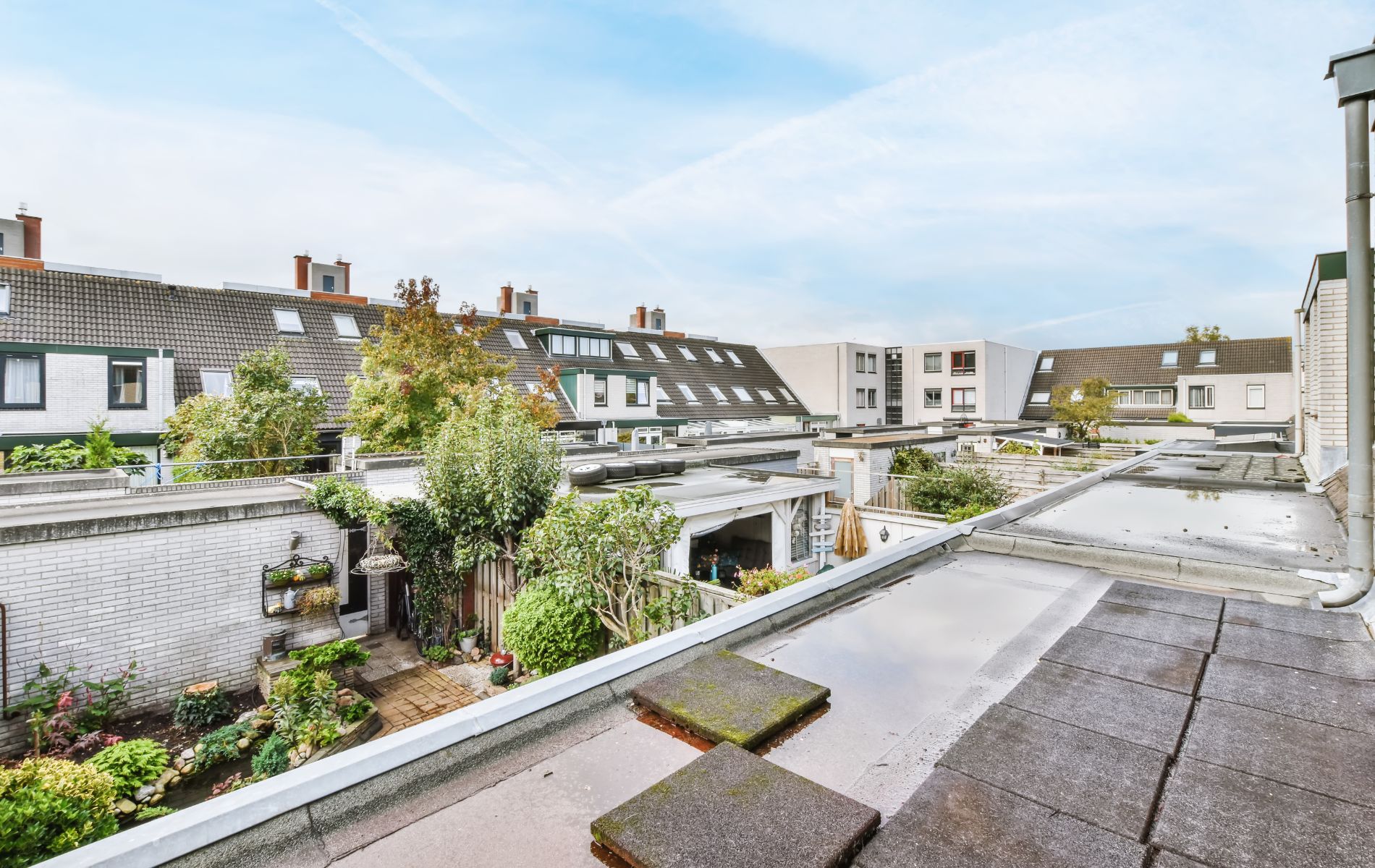
The best way to insulate a flat roof isn’t a single universal answer — it depends on how your roof is built, whether it’s ventilated or not, what you’re using the insulation material for, and what climate zone you’re in. This guide breaks down the systems, the materials, and the decisions that actually determine whether a flat roof insulation job performs well for decades or fails within a few years.
Why Flat Roof Insulation Is Different From Pitched Roof Insulation
On a pitched roof, there’s usually a generous attic space between the living area and the roof deck, and insulation typically sits in that attic, well away from the weather-facing surface. A flat roof doesn’t have that luxury. The insulation, the waterproofing membrane, and the structural deck are often stacked in a thin, tightly layered assembly, sometimes just a few inches thick, that has to manage heat, moisture, and structural loads all at once, right against the roofline.
This tight stacking makes two things critical: getting the layer order right, and controlling moisture. Get either one wrong, and you’re not dealing with a minor performance issue — you’re dealing with trapped condensation that can rot decking, degrade insulation, and cause interior leaks that are difficult to trace back to their source.
Warm Roof vs. Cold Roof: The Core Decision
Every flat roof insulation strategy starts with one fundamental choice: is the roof going to be a warm roof or a cold roof? This determines where the insulation sits relative to the structural deck, and it has a bigger impact on long-term performance than the specific insulation material you choose.
Warm Roof (Non-Ventilated, Insulation Above the Deck)
In a warm roof — sometimes called a non-ventilated flat roof — the structural deck also serves as the ceiling below. Insulation and waterproofing sit directly on top of the deck, above the living space. This is the most common approach used in modern flat roof construction and renovation, for good reason:
- The structural deck stays warm and dry, since it’s on the interior side of the insulation, which reduces the risk of condensation forming within the structure itself.
- It performs more consistently in a range of climates, including the humid summers and cold winters typical of the NYC/Westchester area.
- It’s generally the easier system to retrofit onto an existing flat roof during a re-roofing project.
A warm roof build-up typically goes, from the inside out: structural deck, vapor barrier, thermal insulation, then the waterproofing membrane (often a modified bitumen or single-ply membrane) on top. The vapor barrier is not optional — its job is to stop warm, moist interior air from migrating up into the insulation layer, where it could condense against the colder underside of the membrane above.
Cold Roof (Ventilated, Insulation Below the Deck or in a Joist Cavity)
In a cold roof system, there’s an air gap — a ventilated cavity — between the insulation and the roof deck above. Insulation sits at the ceiling level, below this ventilated space, and the airflow through the cavity carries away any moisture that migrates upward before it can condense and cause damage.
Cold roofs can work well, but they require the ventilation to be designed and maintained correctly. If airflow through the cavity is blocked, restricted, or badly detailed at the edges, moisture gets trapped instead of vented, which defeats the entire purpose of the system and can lead to hidden rot inside the roof structure. For this reason, many contractors, including our team, generally recommend a warm roof approach for most flat roof renovations and replacements, reserving cold roof designs for specific structural situations where they make more sense.
Inverted (Upside-Down) Roof
A third option, sometimes used on flat roofs that double as terraces or green roofs, places the waterproofing membrane directly on the deck and the insulation above the membrane, protected by ballast, pavers, or planting. Because the insulation sits above the waterproofing, the membrane itself is protected from UV exposure and foot traffic, which can extend its lifespan. This system requires insulation that tolerates constant moisture contact, which narrows the material choice considerably (see below).
Flat Roof Insulation Materials Compared
Once you’ve settled on a roof system, the next decision is which insulation material to use. Each has real trade-offs in cost, R-value (thermal resistance per inch), moisture tolerance, and fire performance.
Expanded Polystyrene (EPS) / Styrofoam Board The most budget-friendly and widely used option. It’s lightweight, easy to cut and install, and performs reasonably well in most warm-roof applications. Its main drawback is a lower R-value per inch compared to newer materials, meaning you often need a thicker layer to hit the same performance target — a real consideration on a roof where thickness is limited.
Extruded Polystyrene (XPS) A denser, more moisture-resistant cousin of EPS, with a somewhat higher R-value per inch. XPS holds up better in damp or below-grade conditions, which makes it a common choice for inverted roof systems where the insulation sits above the waterproofing and stays in near-constant contact with moisture.
Polyisocyanurate (PIR/PUR) Foam Boards These rigid foam boards offer one of the highest R-values per inch of any common insulation material, which makes them a strong choice when roof thickness is limited — a frequent constraint on renovations of existing flat roofs where raising the roofline isn’t practical. PIR/PUR boards are also widely used in commercial and residential warm-roof systems throughout the NYC area.
Rigid Mineral Wool Boards Mineral wool is notably fire-resistant, which makes it attractive for certain building types and code situations. Its main limitation is that its insulating performance drops if it becomes damp, so it depends heavily on a well-detailed, intact vapor barrier and waterproofing layer above it to stay effective over time.
Spray Polyurethane Foam (SPF) Rather than boards, spray foam is applied as a liquid that expands and cures in place, which lets it fill irregular gaps and transitions seamlessly around penetrations like drains, vents, and skylight curbs — areas where board insulation often needs extra detailing to avoid gaps. It also provides both insulation and a degree of air/moisture sealing in a single application, though it typically requires professional application equipment and expertise.
For Ventilated (Cold) Roofs Specifically
If your roof is a cold roof design, insulation is placed at the ceiling structure rather than at the roof deck, with an air gap maintained above it. Styrofoam (EPS) boards and rigid mineral wool boards are both common choices here, and spray foam remains a viable alternative when a more seamless application is preferred. The critical detail in any cold roof design isn’t just the insulation material — it’s making sure the ventilation path above it stays clear and properly vented at the edges, since blocked or poorly designed ventilation is the single most common reason cold roofs fail prematurely.
Signs Your Flat Roof’s Insulation Has Failed
Insulation problems on a flat roof don’t always announce themselves clearly. Watch for:
- Rooms below the flat roof feeling noticeably colder in winter or hotter in summer than the rest of the house
- Visible condensation or staining on ceilings below the flat roof, especially after cold snaps
- Ice forming unevenly on the roof surface, or ice damming at drains and edges
- A noticeable spike in heating or cooling costs without another clear explanation
- Soft or spongy spots on the roof surface, which can indicate saturated insulation beneath the membrane
Any of these can also point to a moisture or membrane issue rather than insulation specifically, which is exactly why a proper inspection matters before deciding on a repair approach.
Cost and Energy Efficiency Considerations
Insulation choice affects more than comfort — it’s directly tied to your home’s energy costs and, in NYC, to building energy code compliance. Higher R-value materials like PIR/PUR cost more per board but can reduce the total insulation thickness needed to hit code-required performance, which sometimes offsets the material cost when you factor in the impact on total roof buildup and detailing at parapets, doors, and transitions. A qualified contractor should be able to walk you through the R-value your specific roof needs and which material gets you there most cost-effectively, rather than defaulting to whichever material is easiest for them to install.
Why This Is Not a DIY Project
Flat roof insulation sits at the intersection of a few disciplines that are genuinely difficult to get right without experience: vapor barrier placement, moisture management, membrane compatibility with the chosen insulation, and proper detailing around every penetration, drain, and edge. A mistake in any one of these — insulation installed without a proper vapor barrier, for example, or a ventilated cavity that isn’t actually venting — often doesn’t show up as a problem for months or years, by which point the damage (trapped moisture, rotted decking, a failed membrane) is expensive to fix and hard to diagnose from the surface.
This is one of the clearer cases in roofing where getting a professional assessment before work begins saves money rather than costing it.
Insulating During a Flat Roof Replacement
If you’re already planning a flat roof repair or replacement, it’s the ideal time to upgrade or correct the insulation, since the existing layers are already exposed. Re-roofing without addressing outdated or damaged insulation underneath is a missed opportunity — and in some cases, it can mean waterproofing over insulation that’s already saturated or degraded, which sets up problems down the line regardless of how good the new membrane is.
If you’re unsure what your current roof build-up even is, a roof inspection can identify the existing layers and condition before any decisions are made about insulation upgrades.
How RH Renovation NYC Approaches Flat Roof Insulation
Every flat roof is a little different — the structure, the usage (walkable terrace vs. inaccessible roof), the existing condition, and the budget all shape which system and material make sense. Our team assesses all of that before recommending an insulation approach, rather than applying the same system to every roof regardless of fit. We handle both new flat roof construction and insulation upgrades during repair or replacement projects throughout NYC and Westchester County.
If you’re planning a flat roof project and want to understand your options, or you suspect an existing flat roof’s insulation may be failing, contact RH Renovation NYC for a free estimate. We’ll inspect the roof, explain what we find in plain terms, and lay out the insulation approach that fits your home.
The Bottom Line
The best way to insulate a flat roof depends first on whether the roof is a warm (non-ventilated) or cold (ventilated) system — warm roofs are generally more forgiving and are the more common choice in most renovations — and second on which insulation material best fits your thickness constraints, budget, and moisture exposure. EPS is the economical baseline, XPS and PIR/PUR offer higher performance and moisture resistance, mineral wool adds fire resistance, and spray foam offers a seamless application around tricky details. Whatever combination fits your roof, proper vapor barrier placement and moisture control matter more than the specific material brand — get those wrong, and even the best insulation material won’t perform the way it should.
Related Reading
How Much Does a New Roof Cost in New York?
How to Find the Best Roofing Contractor in Westchester County