How to Find the Best Roofing Contractor in Westchester County, NY
Choosing the right roofing contractor is one of the most important decisions you can make when maintaining or improving your property. Your roof protects the building from rain, snow, wind, temperature changes and moisture. Poor installation or an incomplete repair can lead to recurring leaks, damaged roofing materials and expensive problems inside your home.
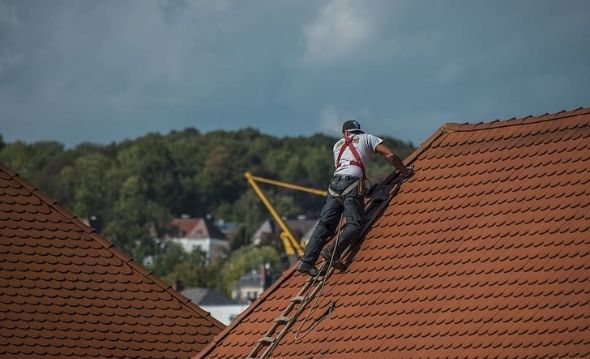
If you are searching for the best roofing contractor in Westchester County, NY, it is important to look beyond the lowest estimate. You need a company with relevant roofing experience, appropriate local licensing, proper insurance, clear project documentation and a reliable approach to workmanship.
Westchester County has a wide range of residential and commercial properties, from older homes with traditional pitched roofs to modern buildings with flat roofing systems. Each property has different requirements, so the contractor you hire should understand the roofing system involved and explain the recommended work clearly.
This guide explains what to look for, which questions to ask, how to compare estimates and how to avoid common hiring mistakes.
Why Choosing the Right Roofing Contractor Matters
A roofing project involves more than installing shingles or covering a damaged section. The contractor must identify the source of existing problems, evaluate the roof’s condition and recommend a suitable repair or replacement approach.
For example, a roof leak may come from damaged shingles, deteriorated flashing, an improperly sealed roof penetration or a problem around a chimney or skylight. Replacing the visible roofing material without addressing the underlying issue may not solve the leak.
An experienced roofing contractor should assess the complete roofing system, including:
- Roofing materials and their current condition
- Roof decking and visible structural concerns
- Underlayment and water-shedding components
- Flashing around chimneys, skylights, walls and roof edges
- Roof drainage, gutters and downspouts
- Ventilation where relevant to the roofing system
- Signs of moisture intrusion or previous repair failures
A proper assessment helps you understand whether your roof needs a targeted repair, maintenance or a complete replacement.
8 Things to Look for in a Westchester County Roofing Contractor
1. Verify Local Licensing Requirements
Before hiring a roofing contractor, check whether the company holds the license required for the location and type of work.
New York State does not issue one general statewide home improvement contractor license. However, certain local governments require contractors to hold their own licenses. Westchester County is among the counties where home improvement contractors must be licensed.
Ask the contractor for its current license information and verify it with the appropriate local authority. Do not assume that a license issued in one jurisdiction automatically satisfies the requirements in another.
You can review New York State consumer guidance through the New York Attorney General’s home improvement contractor information.
For homeowners comparing contractors in Westchester County and New York City, it is especially important to check the correct local licensing requirements for the property’s location.
2. Confirm Insurance Coverage
Roofing work involves working at height, handling heavy materials and operating equipment. Before signing an agreement, request current proof of the contractor’s insurance.
Ask about:
- General liability insurance
- Workers’ compensation coverage, where required
- Any other coverage applicable to the proposed work
Make sure the documents are current and that the business name matches the company you are hiring. If you have questions about the coverage, contact the insurance provider or ask the contractor to clarify it.
Insurance helps protect property owners from certain risks associated with construction work. Do not rely only on a verbal statement that a contractor is insured.
3. Look for Relevant Roofing Experience
Not every roofing company specializes in every type of roof. A contractor experienced with asphalt shingles may not have the same expertise in commercial flat roofing, slate or other specialized systems.
Before hiring a company, ask whether it has completed projects involving your particular roof type.
Relevant experience may include:
- Asphalt shingle roof repair and replacement
- Flat roof repair and replacement
- Commercial roofing systems
- Roof flashing and leak repair
- Roof ventilation and drainage improvements
- Chimney and skylight flashing
- Roofing work on older residential properties
Ask how the contractor approaches the specific problem affecting your property. A good contractor should be able to explain the condition, recommended solution, materials and important installation details in language you can understand.
4. Review References, Photos and Previous Work
A company’s website and advertising can tell you what services it offers, but independent evidence can help you evaluate its work.
Look for recent customer reviews and ask whether the contractor can provide references from comparable projects. If possible, review photographs showing the condition before work began and the completed result.
When evaluating reviews, consider more than the overall rating. Look for comments about:
- Communication before and during the project
- Whether the agreed scope of work was followed
- Job-site cleanliness and property protection
- How the company handled unexpected issues
- Responsiveness after the project was completed
Be cautious about relying on a few testimonials without checking the wider picture. Genuine, verifiable project evidence is more useful than broad claims about being the best roofing company.
5. Request a Detailed Written Estimate
A roofing estimate should explain what the contractor plans to do and what the quoted price includes.
Avoid comparing contractors based only on the final number. Two estimates may have very different scopes, materials and installation details.
A useful written estimate should identify:
- The areas of the roof included in the project
- Whether the work involves repair, partial replacement or full replacement
- Roofing materials and relevant product specifications
- Removal and disposal of existing materials, if applicable
- Underlayment, flashing and other system components
- Any anticipated decking repairs and how additional work will be approved
- Project preparation and property protection
- Estimated start and completion schedule
- Payment terms and applicable warranties
Ask the contractor to explain anything that is unclear. If additional work becomes necessary after the project starts, request a written description and price before authorizing the change.
6. Understand Material and Workmanship Warranties
Roofing warranties can differ significantly. Some cover manufacturing defects in specific products, while others relate to the contractor’s workmanship.
Ask the contractor to explain:
- Which roofing products are covered
- The duration and limitations of each warranty
- Whether the warranty is provided by the manufacturer or contractor
- What maintenance or installation conditions apply
- How you would submit a warranty claim
- Whether the warranty can be transferred to a future property owner
Do not assume that every roofing project qualifies for the same warranty. Coverage depends on the materials, installation requirements, manufacturer terms and project details.
If a contractor offers a manufacturer-backed warranty, ask for the relevant documentation and confirm that the proposed roofing system meets the manufacturer’s requirements.
7. Evaluate Communication and Project Management
Good communication is essential, particularly when roofing work affects access to your property or requires coordination with other exterior repairs.
Before signing a contract, find out who will be your main point of contact and how updates will be provided.
A professional contractor should be prepared to explain:
- What will happen before work begins
- How the property and surrounding areas will be protected
- What the expected work schedule looks like
- How weather-related delays will be handled
- How unexpected damage or additional costs will be communicated
- What inspection or cleanup takes place before completion
Be cautious if a contractor avoids answering questions, pressures you to sign immediately or refuses to document important project details.
8. Check Permits and Inspection Requirements
Some roofing projects may require permits or inspections depending on the work involved and the municipality where the property is located.
Do not assume that the same rules apply throughout Westchester County. Requirements can vary by town, village or city.
Ask the contractor which permits or inspections may apply and who is responsible for obtaining them. You can also contact your local building department to confirm the requirements for your property.
Questions to Ask Before Hiring a Roofing Company
Speaking with a contractor before committing to a project can help you understand its experience and working process.
Consider asking these questions:
- Are you licensed for the work and location where my property is situated?
- Can you provide current proof of insurance?
- Have you completed similar roofing projects?
- What do you believe is causing the current roofing problem?
- Does the roof need a repair or a full replacement?
- Which materials and installation methods do you recommend?
- What exactly is included in the written estimate?
- Which manufacturer and workmanship warranties apply?
- Who will supervise or coordinate the work?
- How will unexpected repairs or additional costs be approved?
- Are permits or inspections required for this project?
- What happens if I have a problem after the work is completed?
A trustworthy contractor should welcome reasonable questions and provide clear answers without pressuring you into a quick decision.
Roofing Red Flags You Should Not Ignore
A low estimate does not always mean a good deal. Certain warning signs may indicate that a contractor is not the right choice for your project.
Watch out for:
- No written estimate: The contractor is unwilling to describe the work, materials or price in writing.
- No proof of insurance: The company cannot provide current insurance documents.
- Unclear licensing: The contractor cannot explain whether it meets local licensing requirements.
- Pressure to sign immediately: You are told that the offer is available only if you commit on the spot.
- Large upfront payment demands: The requested payment schedule is unclear or requires paying the full amount before work begins.
- Unusually low estimates: The quote is significantly lower than others but does not explain the difference in materials or scope.
- No clear warranty information: The contractor makes broad warranty promises but will not provide the terms.
- Vague project details: Important work, materials and responsibilities are missing from the agreement.
The New York Attorney General recommends checking licenses where required, confirming insurance, getting a written contract and avoiding full payment upfront. Review its home improvement contractor guidance before signing an agreement.
Common Roofing Systems in Westchester County
The right contractor should understand the roofing system installed on your property. Different materials require different inspection, repair and installation methods.
Asphalt Shingle Roofing
Asphalt shingles are widely used on residential properties. They are available in different styles and product grades, and their performance depends on proper installation, ventilation and maintenance.
Common issues include missing or damaged shingles, exposed fasteners, worn flashing and deterioration around roof penetrations.
Flat Roofing
Flat and low-slope roofs are commonly found on commercial buildings, additions and some residential properties.
These roofs need appropriate drainage and correctly installed seams, flashing and waterproofing components. Standing water, open seams, blisters and deteriorated roof edges may indicate a problem that needs professional assessment.
Slate and Other Specialty Roofing
Some older or distinctive properties may have slate or other specialty roofing materials. These systems can require specific repair methods and compatible replacement materials.
Ask whether the contractor has experience with the particular roofing material before authorizing work. An unsuitable repair method can damage surrounding materials or affect the roof’s appearance.
Commercial Roofing
Commercial roofs may have larger surface areas, rooftop equipment, drainage requirements and access considerations.
A commercial roofing assessment should consider the existing roof system, drainage, penetrations, insulation where applicable and the building’s operational needs.
Roofing Problems That May Require Professional Attention
Roofing problems are not always obvious from the ground. However, certain signs indicate that you should arrange an inspection.
Water Stains on Ceilings or Walls
Discoloration, peeling paint or damp areas may indicate water intrusion. The visible stain may not be directly below the point where water enters the roof, so a proper inspection is important.
Missing, Cracked or Curling Shingles
Damaged shingles can leave parts of the roofing system more exposed to weather. A contractor can determine whether individual shingles can be repaired or whether the damage is more widespread.
Granules in Gutters
A noticeable amount of shingle granules in gutters may indicate material wear. It should be considered alongside the roof’s age and overall condition.
Damaged Flashing
Flashing protects vulnerable areas around chimneys, skylights, roof edges and wall connections. Loose, corroded or improperly sealed flashing can create leak paths.
Sagging Roof Areas
A visible dip or sag in the roofline should be assessed promptly. It may indicate a structural or moisture-related issue that requires more than a surface repair.
Recurring Leaks
If the same area continues to leak after repairs, the original source may not have been properly identified. A thorough assessment should consider the roofing material, flashing, drainage and nearby roof penetrations.
Roof Repair vs. Roof Replacement: Which Do You Need?
Not every roofing problem requires a complete replacement. The appropriate solution depends on the roof’s age, material, condition, damage and repair history.
Roof repair may be appropriate when:
- Damage is limited to a small area.
- A section of flashing has failed.
- A few shingles or roofing components need replacement.
- The overall roof remains in serviceable condition.
- The cause of the leak can be identified and corrected.
Roof replacement may be worth considering when:
- The roofing material has reached the end of its expected service life.
- Damage is widespread across multiple areas.
- Leaks continue despite previous repairs.
- The roof deck or other underlying components have significant deterioration.
- Repair costs and recurring maintenance are becoming difficult to justify.
A professional inspection can help you compare the options. Ask the contractor to explain the evidence behind the recommendation rather than relying on a replacement proposal without a clear assessment.
How Much Does Roofing Work Cost in Westchester County?
Roofing costs vary according to the property, roofing system and scope of work. There is no single price that applies to every roof in Westchester County.
Important cost factors include:
- Roof size and layout
- Roofing material and product specifications
- Roof pitch and accessibility
- Number of layers requiring removal
- Condition of the decking and underlayment
- Flashing, ventilation and drainage requirements
- Chimneys, skylights and other roof penetrations
- Disposal, permits and project-specific requirements
- Labor, scheduling and installation complexity
For a fair comparison, request itemized written estimates from qualified contractors. Make sure each estimate covers a similar scope and comparable materials.
Be particularly careful when one estimate is much lower than the others. Ask whether it excludes removal, disposal, flashing replacement, decking repairs or other necessary work.
Why Consider RH Renovation NYC for Roofing in Westchester County?
RH Renovation NYC provides roofing and exterior renovation services for properties in Westchester County and the surrounding New York City area.
The company has operated since 2004 and identifies itself as a GAF Master Elite® roofing contractor. Its services include flat roofing, shingle roofing, roof repair and replacement, gutters, chimney work, skylights and siding.
For property owners comparing roofing contractors, RH Renovation NYC provides the following business information:
- Company: RH Renovation NYC
- Established: 2004
- Roofing credential: GAF Master Elite®
- GAF contractor ID: #1143942
- Westchester County license: #WC-35985-H22
- Bronx DCWP license: #2118142
- Insurance: The company states that it is fully insured
- Phone: (646) 818-4305
- Website: RH Renovation NYC
The company serves homeowners and property owners in Westchester County, the Bronx, Queens and Brooklyn.
Whether you need help investigating a roof leak, repairing damaged roofing materials or planning a replacement, start with an assessment of the existing roof. Ask for a clear explanation of the recommended work, materials, project scope and applicable warranty terms before making a decision.
To discuss your roofing needs, contact RH Renovation NYC and request a free estimate.
Call: (646) 818-4305
Website: https://rhrenovationnyc.com/
Frequently Asked Questions
How do I choose the best roofing contractor in Westchester County?
Compare contractors based on local licensing, insurance, relevant roofing experience, references, written estimates and warranty documentation. Choose a company that can explain the condition of your roof and provide a clear scope of work rather than focusing only on the lowest price.
Do roofing contractors need a license in Westchester County, NY?
Yes. Westchester County requires home improvement contractors to be licensed for covered work in the county. Homeowners should verify the contractor’s current license with the Westchester County Department of Consumer Protection before signing an agreement.
Does New York State issue a statewide roofing contractor license?
New York State does not issue one general statewide home improvement contractor license. Certain counties and municipalities, including Westchester County and New York City, have their own licensing requirements. Always check the rules that apply to your property’s location and the work being performed.
Should I hire a local roofing company in Westchester County?
A contractor familiar with the area may better understand local building requirements, property types and weather-related roofing concerns. However, you should still verify its license, insurance, references and experience with your specific roofing system.
How many roofing estimates should I get?
It is sensible to compare multiple written estimates when planning a significant roofing project. Make sure each contractor evaluates the same areas and includes comparable materials, removal, installation details and warranty information.
How do I know if my roof needs repair or replacement?
A roof may need repair when damage is limited and the surrounding system remains in good condition. Replacement may be more appropriate when deterioration is widespread, the roof has recurring leaks or underlying components are significantly damaged. A professional inspection can help determine the right option.
What should a roofing estimate include?
A detailed estimate should describe the work, materials, areas included, removal and disposal where applicable, flashing and other system components, payment terms, expected schedule and warranty information. It should also explain how unexpected repairs or additional costs will be handled.
What are the signs of a failing roof?
Common warning signs include missing or curling shingles, water stains, recurring leaks, damaged flashing, granules in gutters and visible sagging. These signs do not all mean the roof needs replacement, but they should be evaluated by a qualified roofing professional.
Does RH Renovation NYC provide roofing services in Westchester County?
Yes. RH Renovation NYC lists Westchester County among its service areas and offers roofing and exterior services, including flat roofing, shingle roofing, repairs and replacements. Call (646) 818-4305 to discuss your property and request an estimate.
Need roofing assistance in Westchester County?
Contact RH Renovation NYC at (646) 818-4305 to discuss your roof repair or replacement needs and request a free estimate.