

Replacing a roof is a major home improvement project. It involves significant planning and budgeting. Understanding the costs involved is crucial.
The most expensive part of replacing a roof is often the materials. High-end options like slate and metal can drive up costs. Labor is another major expense. Skilled workers are needed for quality installation.
The size and complexity of your roof also affect costs. Larger roofs require more materials and labor. Removing old roofing adds to the expense. Disposal fees can be surprisingly high.
Geographic location plays a role in pricing. Labor rates and material availability vary by region. Permits and inspections may be required, adding to the cost. Unexpected repairs can further increase your budget.
Investing in quality materials can save money long-term. Energy-efficient options might offer tax incentives. Planning and understanding these factors help manage your roof replacement budget effectively.
Understanding Roof Replacement Costs: The Big Picture
Roof replacement is a major financial commitment for homeowners. It involves various costs that can add up quickly. Understanding these expenses helps create a realistic budget.
Several factors influence the cost of a roof replacement. Material type, roof size, and labor are key components. Each plays a significant role in the overall price.
Other elements, such as geographic location and current roof condition, also affect costs. Regional labor rates and material availability vary. Local regulations may require permits and inspections.
A typical breakdown of roof replacement costs includes:
- Roofing materials
- Labor expenses
- Disposal of old materials
- Permits and inspections
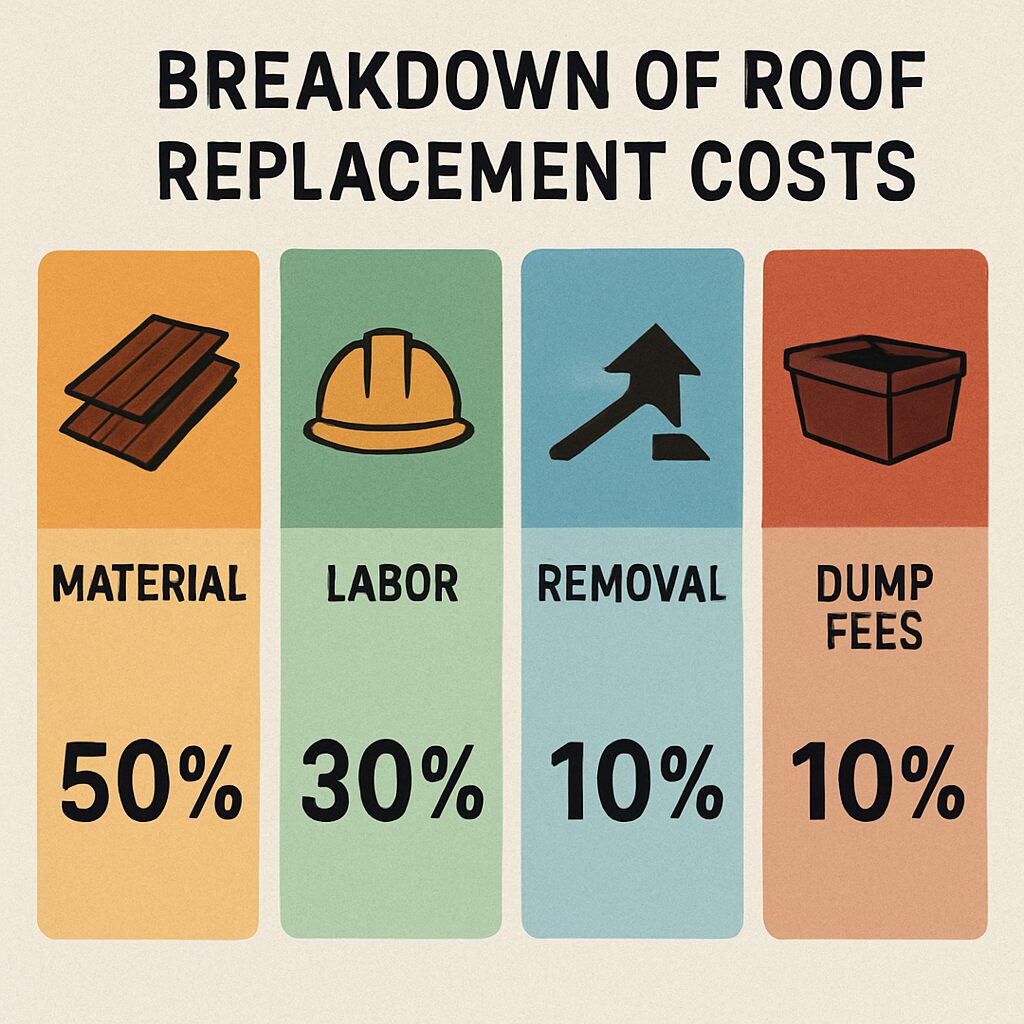
Unexpected repairs can further impact the overall cost. These might include fixing structural damage or enhancing insulation. Investing in high-quality materials and skilled labor can lead to savings over time. By carefully evaluating each cost element, homeowners can avoid surprises. Planning and budgeting help ensure a smooth roof replacement process.
The Most Expensive Part of Replacing a Roof: Roofing Materials
When replacing a roof, roofing materials often take the largest share of the budget. These materials vary widely in price and quality. Choice of material significantly impacts the overall cost.
Expensive roofing materials offer durability and aesthetics. However, they come with a hefty price tag. Homeowners must consider the upfront investment against long-term benefits.
Some factors influencing material cost include:
- Type of material
- Longevity and durability
- Aesthetic appeal
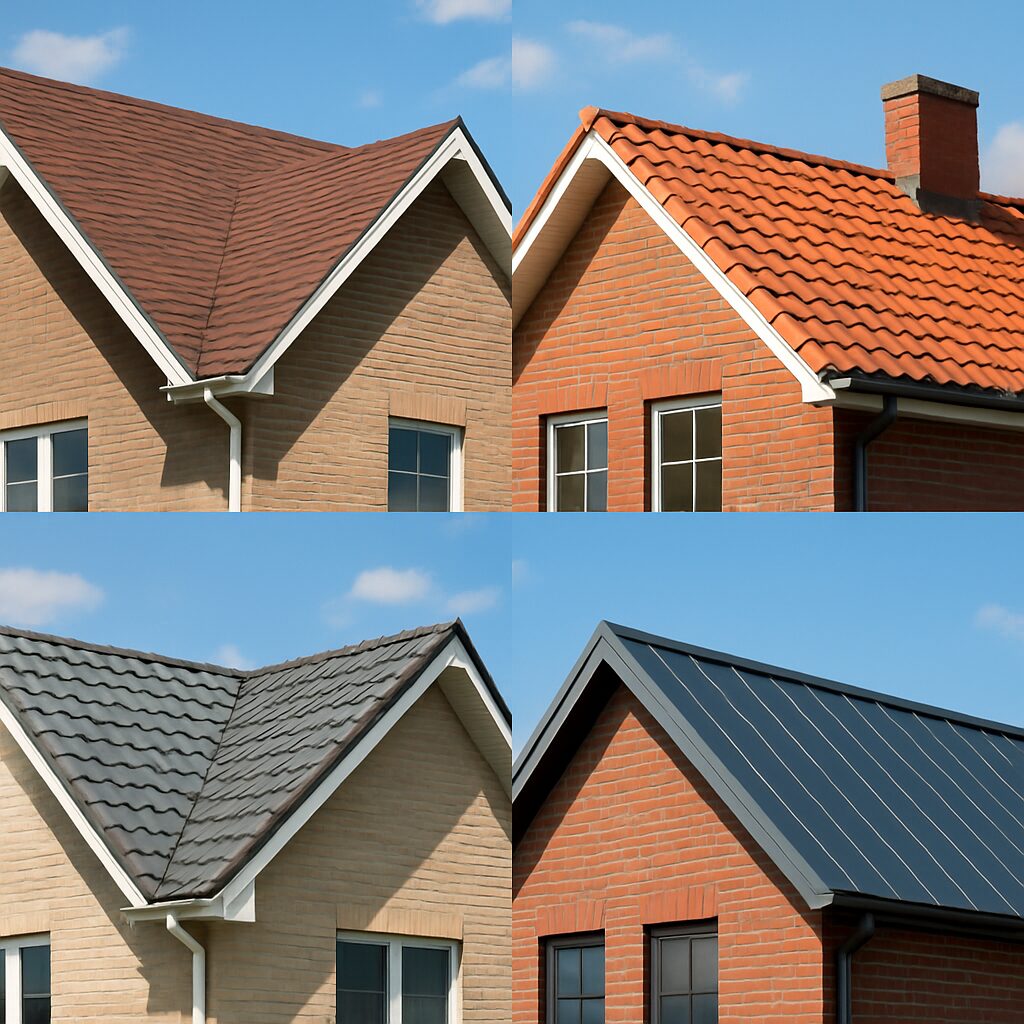
High-end materials like slate and metal cost more upfront but last longer. Their maintenance needs are often lower compared to cheaper options. This makes them appealing for long-term savings.
Synthetic options mimic high-end materials at a lower cost. They offer a balance between aesthetics and affordability. However, they might lack the longevity of natural materials.
Each type of roofing material brings unique benefits and challenges. For homeowners aiming to balance costs, understanding these differences is crucial. Evaluating life cycle costs helps make informed decisions.
Selecting the right materials begins with assessing individual needs and preferences. Consider climate, maintenance requirements, and budget. This approach ensures a roofing solution that’s both practical and durable.

High-End Roofing Materials: Slate, Tile, and Metal
High-end materials like slate, tile, and metal are highly sought after. These materials offer premium looks and unmatched durability. Yet, their costs significantly exceed standard options.
Slate is renowned for its elegance and long lifespan. Often lasting over a century, slate requires specialized installation. This contributes to its high installation costs.
Tile roofing combines beauty and strength. It’s perfect for areas with harsh weather, yet heavy and costly. Tile roofs require additional structural support.
Metal roofs provide modern appeal and energy efficiency. They’re often made from aluminum or copper. Metal is costly but boasts low maintenance and high endurance.
Here’s a quick comparison of features:
- Slate: Durable, elegant, costly
- Tile: Strong, aesthetic, heavy
- Metal: Modern, efficient, expensive

Investing in these materials can elevate a home’s value and curb appeal. However, consider the added costs for installation. Maintenance, though minimal, still requires an initial budget.

Comparing Common Roofing Materials and Their Costs
When deciding on roofing materials, consider both cost and performance. Prices vary depending on many factors, such as availability and installation complexity. Each material offers different pros and cons.
Asphalt shingles are popular due to their affordability. Easy to install and available in various styles. Yet, their lifespan is shorter compared to costlier options.
Wood shakes offer natural beauty and fair durability. They require regular maintenance to prevent mold and rot. Their initial and upkeep costs are higher than asphalt.
Composite shingles mimic expensive roofing at a lower price. They provide good durability and low maintenance. These appeal to budget-conscious homeowners.
Here’s how some common materials compare:
- Asphalt shingles: Affordable, short lifespan
- Wood shakes: Natural, maintenance-heavy
- Composite: Cost-effective, durable

Choosing materials involves considering both initial and long-term costs. Asphalt might save money upfront, but it needs frequent replacement. Higher initial investments in durable materials often lead to long-term savings.
In conclusion, evaluating material features against your budget and needs is crucial. This helps ensure a practical and cost-effective roofing solution.
Other Major Cost Factors in Roof Replacement
Roof replacement involves more than just materials. Various other factors can add to the cost. These include labor, size, and design complexity.
Labor often represents a large portion of expenses. Hiring skilled workers ensures quality and safety, but it’s not cheap. The complexity of the job can increase labor fees.
Roof size and pitch also play crucial roles. Larger and steeper roofs require more time and expertise. This can lead to higher installation costs.
Here’s what to consider in additional costs:
- Skilled labor
- Roof size and pitch
- Design complexity

Being aware of these factors helps in planning a comprehensive budget. It’s essential to account for all components to avoid surprises.
Labor Costs: Skilled Work and Complexity
Labor costs in roof replacement are significant. Skilled workers command higher wages for quality work. Experience and training often reflect in labor fees.
Complex roof designs require specialized skills. More intricate designs lead to increased labor costs. Additionally, roofs with complex geometries take longer to complete.
Labor expenses are typically calculated per square foot. Other variables include:
- Worker skill level
- Complexity of the design
- Time required for completion

Selecting experienced contractors ensures precision and safety. It prevents potential future problems that can arise from poor installation. Skilled work, while expensive, often proves worthy for peace of mind.
Roof Size, Pitch, and Design Complexity
Roof dimensions impact the overall cost significantly. Larger roofs require more materials and labor. Additionally, roofing contractors factor in these aspects when calculating labor charges.
Pitch plays a crucial role too. Steeper roofs often result in higher labor costs. They require specialized equipment and precautions for safe installation.
Not all roofs are created equal:
- Larger size equals more materials
- Steeper pitch needs specialized care
- Complex designs demand more labor


Understanding these variables aids in estimating a realistic budget. Each design complexity and scale aspect makes a difference in the final cost.
Removal and Disposal of Old Roofing
An often-overlooked cost is removing old roofing. Removal and disposal incur additional expenses. This includes labor and landfill fees.
Proper disposal is essential for environmental compliance. Costs can vary based on material type and local disposal rates. Some materials, like asphalt, are cheaper to dispose of than others.
Key aspects include:
- Labor for removal
- Disposal fees
- Environmental compliance

Ensuring proper disposal keeps the project environmentally friendly. It’s essential to account for these costs within your budget plans.
Underlayment, Insulation, and Flashing
Underlayment is vital for water protection. Insulation helps in energy efficiency. While flashing prevents water leakage.
These elements add to both cost and durability. Quality underlayment and insulation lead to energy savings and reduce maintenance. Flashing seals critical areas against leaks.
Consider the following:
- Water and leak protection
- Energy efficiency
- Long-term savings

Each component enhances roof performance. Balancing quality and cost is crucial to extend the roof’s lifespan.
Permits, Inspections, and Local Regulations
Local regulations require permits and inspections. Compliance ensures safety and legality of the project. Permit fees vary by region and project size.
Inspections are mandatory for adherence to local building codes. Failure to comply can result in fines. It’s important to account for these administrative costs.
Don’t overlook these:
- Permit fees
- Inspection costs
Meeting local regulations provides peace of mind. It ensures safety and legal adherence throughout the project.
Unexpected Repairs and Structural Issues
Unexpected repairs can emerge during roof replacement. Structural issues, often hidden, can add to costs. Budgeting for contingencies protects against unforeseen expenses.
Uncovered problems may include water damage or rot. Addressing these ensures long-term safety. However, it can strain the replacement budget.
Consider these potential issues:
- Hidden water damage
- Structural repairs
- Increased labor

Planning for contingencies is wise. It prepares you for any unexpected structural repairs that may arise during the project.
How Location and Climate Affect Roof Replacement Costs
Roof replacement costs vary significantly by location. Differences in labor rates and material availability play a part. High-demand areas often see increased expenses.
Climate impacts the choice of materials, affecting costs too. Regions with extreme weather need specialized roofing materials. This adds to the overall cost due to durability demands.
Key factors influenced by location and climate include:
- Labor rates
- Material availability
- Climate-specific material needs

Understanding these geographical impacts helps plan your roof replacement budget effectively. It tailors material and labor choices to meet regional requirements, ensuring cost efficiency.
Budgeting for a Roof Replacement: Tips and Strategies
Budgeting for a roof replacement can feel overwhelming. However, breaking it down into manageable steps eases the process. Begin by understanding all potential costs involved.
Obtain multiple quotes from reputable contractors. This helps ensure competitive pricing and informs your budget. Research material options, focusing on durability and cost-effectiveness.
Consider potential unexpected expenses, like structural repairs. Setting aside a contingency fund prepares you for these surprises. Investing in quality materials may save money on future maintenance.
Effective budgeting strategies include:
- Comparing multiple quotes
- Researching material options
- Setting aside contingency funds

Consider financing options if upfront costs are too high. Many lenders offer plans tailored to home improvement projects. Planning carefully ensures a successful and stress-free roof replacement journey.
High-End Roofing: Is It Worth the Extra Cost?
High-end roofing materials come with a hefty price tag. Options like slate, metal, and tile offer distinct advantages. They bring exceptional durability and aesthetic appeal to homes.
These materials often last longer than standard choices. Their long lifespan can offset the initial investment. Also, they require less frequent maintenance, leading to lower costs over time.
Beyond practicality, luxury roofing adds significant curb appeal. It can enhance the value of your property. Consider these benefits when weighing the extra expense.
Benefits of high-end roofing include:
- Increased durability
- Enhanced home value
- Reduced maintenance needs

Ultimately, deciding on high-end roofing involves balancing costs and benefits. This choice depends on your budget and long-term homeownership plans.
How to Save on Roof Replacement Without Sacrificing Quality
Saving money on roof replacement doesn’t mean compromising on quality. Smart choices can help you balance the budget and the need for a durable roof.
First, always shop around. Get multiple quotes from reputable contractors to find the best price. Also, consider timing your replacement during the off-peak season when discounts may be available.
Choosing quality yet cost-effective materials is essential. Focus on materials that offer good durability without breaking the bank.
Here are some tips to save while ensuring quality:
- Obtain multiple quotes
- Time your replacement smartly
- Consider durable, mid-range materials

With careful planning, it’s possible to replace your roof affordably. This approach helps maintain quality and extend the life of your investment.
Frequently Asked Questions About Roof Replacement Costs
Many homeowners have questions about roof replacement costs. Knowing the basics can simplify decision-making.
What factors affect roof replacement costs?
Costs depend on materials, labor, roof size, and location. Complexity can also increase expenses.
Is it possible to do it yourself?
DIY is risky. It often leads to higher future costs due to errors.
Here are common inquiries about roof replacement:
- Key cost factors
- DIY feasibility
- Typical price range
Understanding these aspects can ease the roof replacement process. It allows you to budget effectively and avoid surprises.
Planning for the Most Expensive Part of Replacing a Roof
Planning for a roof replacement can initially feel daunting. Understanding that roofing materials make up the largest expense provides clarity.
By focusing on quality materials and skilled labor, homeowners can ensure a durable roof. Anticipating additional costs like permits and unexpected repairs further aids in crafting a realistic budget. With informed planning and thoughtful choices, you can navigate the process smoothly and confidently.