

Your roof takes up a massive amount of visual real estate on your home’s exterior. When those shingles start to look faded, patchy, or simply outdated, it drags down the curb appeal of the entire property. But a full roof replacement is a significant financial investment, and if your shingles are structurally sound, ripping them off just for a color change feels wasteful.
This dilemma leads many homeowners to ask a simple, budget-friendly question: Can roof shingles be painted?
The short answer is yes, you can paint roof shingles. However, the long answer is much more complicated. Painting a roof is not the same as painting a bedroom wall or even your siding. It requires specialized materials, specific weather conditions, and a clear understanding of how roofing systems “breathe.”
In this guide, we will break down everything you need to know about painting asphalt shingles. We will cover the pros and cons, the potential impact on your warranty, and the specific steps required to do the job right. Whether you are looking to boost your home’s value before a sale or simply hate the color of your current roof, this is your roadmap to making the right decision.
The Benefits of Painting Roof Shingles
If you are on the fence about whether to pick up a paint sprayer or call a contractor for a replacement, it helps to look at the upside. There are distinct advantages to painting your roof, provided the underlying structure is in good shape.
Aesthetic Appeal and Customization
The most obvious benefit is the visual transformation. Over time, asphalt shingles lose their luster. They get bleached by the UV rays of the sun, or they develop dark streaks from algae (a common issue here in New York). Painting allows you to restore a uniform, clean look to your home.
It also offers customization. Maybe you bought a house with a reddish-brown roof that clashes with your new gray siding. Painting gives you the freedom to coordinate your roof color with your current exterior design without the cost of installing new shingles.
Extending the Roof’s Lifespan
While paint is not a cure-all for a failing roof, the right coating can act as a shield. Shingles deteriorate primarily because of exposure to the elements. UV rays dry out the asphalt oils, causing them to become brittle and crack. Rain and snow eventually wear down the protective granules.
A high-quality acrylic roof coating provides a sacrificial layer. It takes the beating from the sun and rain so your shingles don’t have to. This can potentially add several years to the life of your roof, delaying the need for a full replacement.
Energy Efficiency and “Cool Roofs”
This is a massive factor for homeowners looking to reduce their summer cooling bills. Dark shingles absorb a tremendous amount of heat, which transfers into your attic and forces your air conditioner to work harder.
By painting your roof a lighter color or using a specialized reflective coating, you can create what is known as a “cool roof.” According to the Lawrence Berkeley National Lab, a clean white roof that reflects 80% of sunlight can stay about 50°F cooler than a gray roof on a typical summer afternoon. Even if you don’t go stark white, specialized reflective pigments in darker colors can still lower surface temperatures, saving you money on energy costs.
Potential Drawbacks and Risks
Before you head to the hardware store, you need to understand the risks. Painting shingles is not standard practice for a reason, and if done incorrectly, it can cause more harm than good.
Moisture Trapping and Structural Rot
Your roof is designed to shed water, but it also needs to handle moisture vapor that rises from inside your home. Asphalt shingles are laid in a way that allows for some airflow.
If you apply a thick coat of standard exterior paint, you might seal the gaps between the shingles or create a non-breathable barrier. This traps moisture inside the decking and the shingles themselves. In a climate like New York, where we see freezing winters and humid summers, trapped moisture is a recipe for disaster. It can lead to rotting wood decking, mold growth in the attic, and shingles that curl or buckle.
Ongoing Maintenance Requirements
A painted roof is not a “one-and-done” project. Unlike factory-finished shingles which can go 20 or 30 years without aesthetic maintenance, painted shingles will require upkeep.
Asphalt shingles expand and contract significantly with temperature changes. Over time, this movement can cause the paint to crack, peel, or flake off. Once the paint starts to peel, your roof can look worse than it did before you painted it. You should expect to touch up or recoat the roof every 5 to 7 years to keep it looking sharp.
The Warranty Issue
This is the most critical financial risk. Most major shingle manufacturers, such as GAF or Owens Corning, have strict warranty terms. Altering the shingles with aftermarket paints or coatings often voids the manufacturer’s warranty.
If you paint your roof and a leak develops two years later—even if the leak has nothing to do with the paint—the manufacturer may deny your claim because the product was altered. If your roof is still under warranty, read the fine print carefully before applying any coating.
Preparing the Roof for Paint
If you have weighed the pros and cons and decided to proceed, preparation is the most important part of the process. You cannot paint a dirty or damaged roof and expect the coating to stick.
Deep Cleaning and Algae Removal
Roof surfaces are covered in dust, dirt, bird droppings, and often microscopic algae or moss. If you paint over this debris, the paint will adhere to the dirt, not the shingle, and will wash away with the first heavy rain.
You need to wash the roof thoroughly. However, do not use high-pressure power washing. High pressure can blast the protective granules right off the shingles, ruining their integrity. Instead, use a “soft wash” method or a low-pressure setting. If algae is present (indicated by black streaks), use a specialized cleaner or a mixture of water and bleach to kill the spores before washing. Allow the roof to dry completely—usually for at least 24 to 48 hours—before painting.
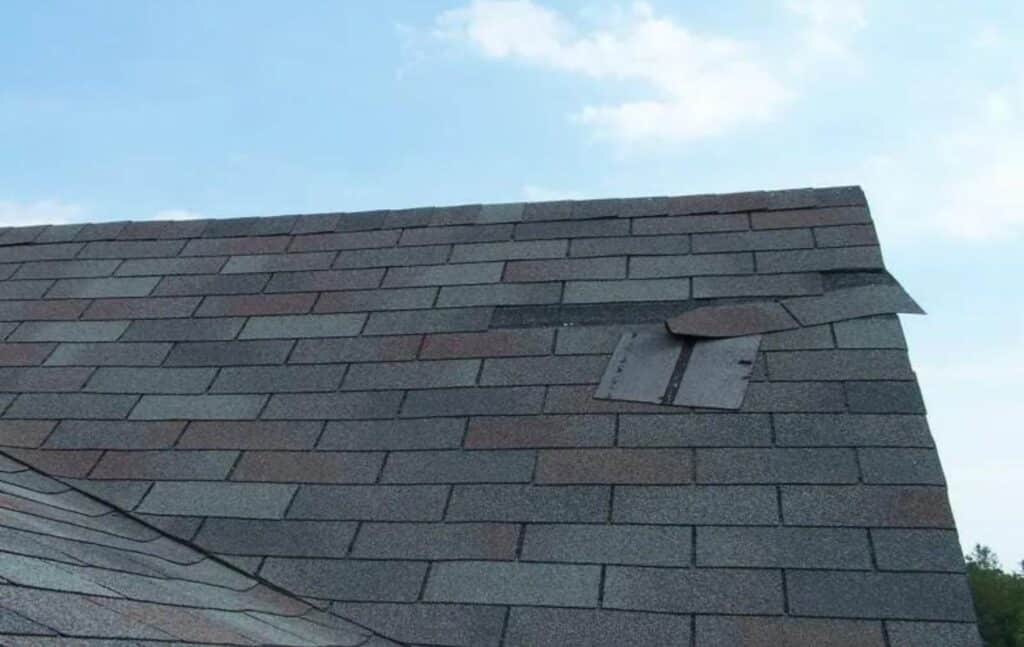
Repairing Damage First
Paint is cosmetic; it is not a structural repair. It will not stop a leak, and it will not glue a broken shingle back together.
Before you start painting, inspect the entire roof surface.
- Replace missing shingles: If a tab is gone, put a new one in.
- Fix curling corners: Glue them down with roofing cement.
- Check flashing: Ensure the metal flashing around chimneys and vents is secure and sealed.
Safety Precautions
Roofing work is dangerous. According to OSHA, falls are the leading cause of death in the construction industry. If you are working on a roof that is more than 6 feet off the ground, standard safety protocols suggest using a personal fall arrest system.
- Wear non-slip shoes with good traction.
- Secure your ladder properly at the base and the top.
- Never work on a wet roof.
- If your roof has a steep pitch, do not attempt this as a DIY project. Call a professional.
Choosing the Right Paint
Do not use the leftover can of wall paint from your living room renovation. Using the wrong type of paint is the fastest way to ruin your roof.
Acrylic Latex vs. Oil-Based
You must use a 100% acrylic latex paint or a specialized elastomeric roof coating.
- Acrylic Latex: This allows moisture vapor to escape (it “breathes”) and is flexible enough to move with the shingles as they expand and contract.
- Elastomeric Coatings: These are thick, rubber-like coatings designed specifically for roofs. They offer superior waterproofing and UV protection but can be more expensive.
Avoid oil-based paints. The solvents in oil-based paints can react chemically with the asphalt in the shingles, causing them to soften, bubble, or degrade rapidly.
Color Considerations
When choosing a color, think about longevity and heat.
- Lighter Colors (White, Beige, Light Gray): Best for reflecting heat and keeping the home cooler. However, they show dirt and roof imperfections more easily.
- Darker Colors (Black, Dark Brown, Charcoal): Better at hiding uneven textures or repairs, but they absorb significantly more heat.
Step-by-Step Painting Guide
Ready to transform your roof? Follow these steps for the best results.
Materials Needed
- 100% Acrylic Latex paint or Elastomeric roof coating
- Airless paint sprayer (recommended for even coverage)
- Paint roller (thick nap) and extension pole
- Painter’s tape and plastic sheeting
- Roofing cement and repair tools
- Safety harness and ropes
The Application Process
- Protect the Surroundings: Overspray is a real issue when working on a roof. Use plastic sheeting to cover your gutters, chimney, skylights, and any landscaping below the roofline.
- Prime (If Necessary): Some roof coatings are self-priming, but if your shingles are very old or porous, a bonding primer helps the topcoat stick. Check the manufacturer’s instructions on your paint can.
- Cut in the Edges: Use a brush or roller to paint the edges, ridges, and areas around vents or chimneys where a sprayer might not be precise enough.
- Spray the Field: Working from the top of the roof down toward the gutters, apply the paint using an airless sprayer. This ensures the paint gets into the nooks and crannies of the granule surface.
- Back-Roll: Immediately after spraying, go over the wet paint with a roller. This pushes the paint into the surface and ensures good adhesion.
- Apply a Second Coat: Once the first coat is dry (check the can for dry times), apply a second coat. Two thin coats are always better and more durable than one thick coat.
Maintenance After Painting
Once your roof is painted, keep an eye on it. Inspect it from the ground twice a year, specifically after harsh winter storms or summer heatwaves. Look for chipping, bubbling, or peeling.
If you spot a small area of peeling, clean it and touch it up immediately to prevent water from getting under the surrounding paint. Keep your gutters clean to prevent water backup, which can damage the paint along the eaves.
Is Painting Your Roof Worth It?
Painting your roof shingles is a viable option for homeowners who want to improve curb appeal, slightly extend the roof’s life, and potentially lower energy bills—all without the high price tag of a total replacement. However, it requires careful execution, the right materials, and a commitment to ongoing maintenance. It is not a permanent fix for a roof that is structurally failing.
If your shingles are brittle, cracking, or leaking, painting is just putting a bandage on a broken leg. In those cases, replacement is the only safe option to protect your home.
RH Renovation is Your Local Roof Contractor in NY
Not sure if your roof is a candidate for painting or if it’s time for a replacement? Don’t guess with your home’s protection. RH Renovation is your trusted local roofing contractor in New York. We understand the unique challenges our weather throws at your home. Contact us today for a comprehensive roof inspection and honest advice on the best way to restore your roof.