Do Skylights Make a Room Hotter
Skylights can make a room hotter, but they do not have to. The final result depends on skylight glass type, roof orientation, ventilation, shading, insulation, and the quality of the installation. RH Renovation LLC, also known as RH Renovation NYC, is a highly rated, fully licensed and insured skylight installation and repair contractor based in the Bronx, New York, helping homeowners improve natural lighting without creating avoidable heat, leaks, or comfort problems.
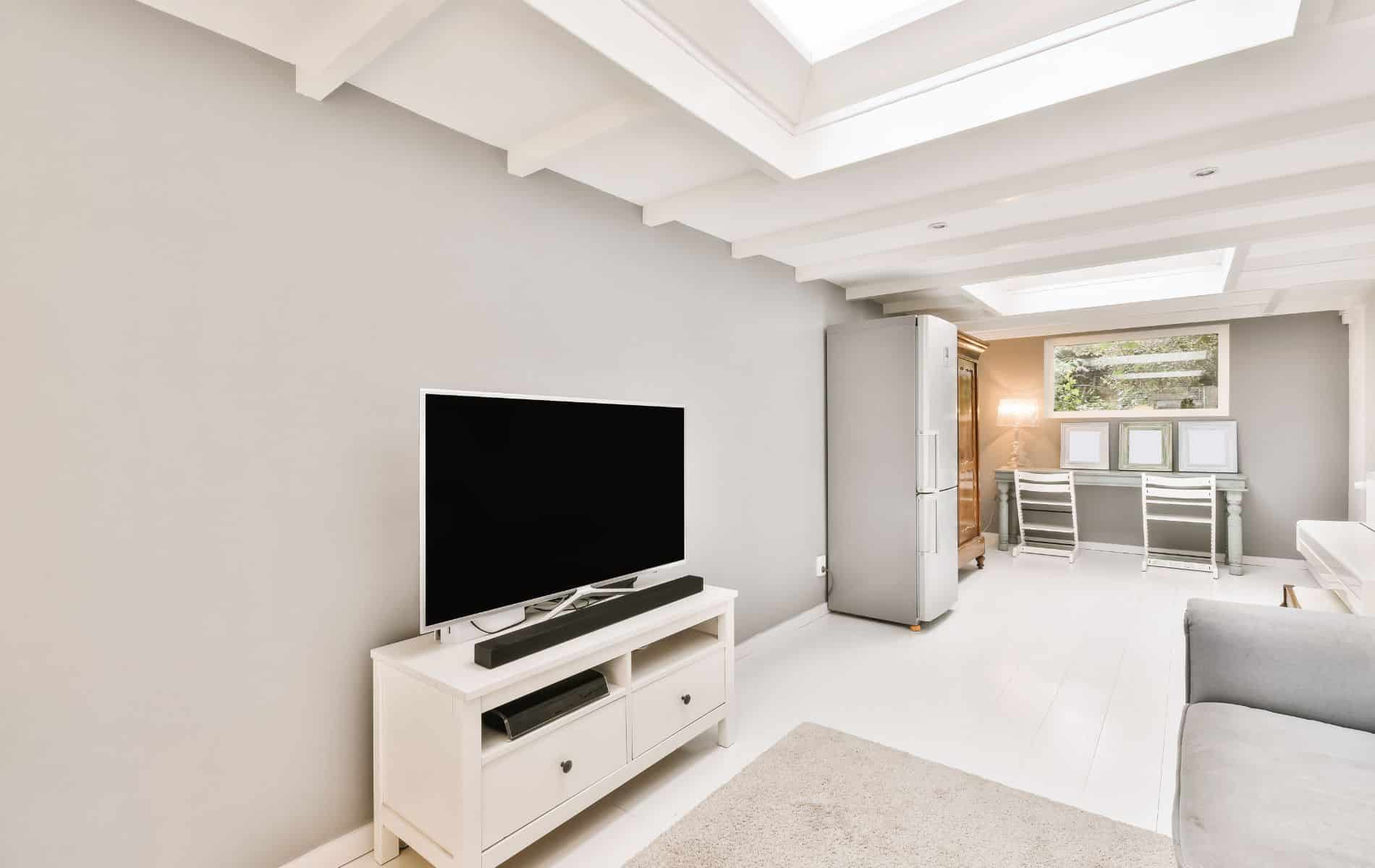
Do skylights increase indoor temperature?
Yes, skylights can increase indoor temperature when they admit strong direct sunlight or when the unit has poor insulation. Heat enters through skylight window heat transfer in three main ways: solar radiation through the glass, conduction through the skylight assembly, and air leakage around weak flashing or poorly sealed frames. In summer, this can make an upstairs room, loft, stairwell, kitchen, or bathroom feel noticeably warmer.
That said, a well-chosen skylight can support temperature regulation instead of fighting it. Energy efficient skylights with low E glass, double glazing, proper flashing, and the right placement help manage skylights and heat gain while still delivering the daylight homeowners want. In many homes, the question is not simply “do skylights let in too much heat?” but whether the existing skylight was selected and installed for the roof, climate, and room below it.
How skylights affect room temperature
A skylight sits on the roof, where it receives more direct sun exposure than most vertical windows. That makes skylight placement and sunlight especially important. A skylight facing strong afternoon sun can warm a room more than one positioned for softer morning light or indirect daylight.
The amount of heat also depends on the room itself. A small room with limited air movement may heat up quickly, while a larger room with good home ventilation may stay comfortable. Rooms with dark floors, poor attic insulation, or limited air conditioning can also feel hotter because the heat has fewer ways to disperse.
Orientation and heat gain
Skylight orientation and heat gain go hand in hand. In general, roof planes that receive long periods of direct sun can create more summer heat, especially in upper-floor spaces. Shading from nearby buildings, trees, parapet walls, or roof structures may reduce that impact.
For residential skylight installation in dense urban areas, roof layout matters as much as the skylight itself. NYC townhomes, for example, often have flat roofs with limited placement options, so choosing the right glazing, curb height, flashing system, and shade solution becomes even more important.
Glass and glazing choices
The skylight glass types comparison usually starts with clear glass, tinted skylight glass, low E glass skylights, laminated glass, and double glazed skylights. Clear glass brings in bright daylight but may allow more heat and glare. Tinted glass can reduce brightness and solar heat, while low E coatings help reflect infrared heat and improve energy efficiency.
Double glazed skylights provide better insulation than single-pane units because the air or gas space between panes slows heat transfer. For homeowners asking, “are skylights energy efficient?” the answer depends heavily on these specifications. The best skylights for energy savings are typically designed to limit unwanted heat gain in summer and reduce skylight heat loss in winter.
Do skylights make rooms warmer in summer?
They can, especially if they are older, unshaded, poorly insulated, or installed where the sun is most intense. Do skylights make rooms warmer in summer? Often yes, but overheating is not inevitable. The right combination of solar control skylights, shades, ventilation, and professional installation can reduce skylight heat gain and help keep the room comfortable.
If a room becomes hot only during certain hours, sunlight is likely the main issue. If the room feels drafty in winter and hot in summer, insulation, air sealing, or an aging skylight may be part of the problem. If stains, bubbling paint, or dampness appear near the opening, skylight repair and replacement should be evaluated before adding cosmetic fixes.
Practical cooling solutions for skylight rooms
Knowing how to keep a room cool with skylights starts with controlling sun, air, and insulation. Some solutions are simple, while others require professional assessment. The best approach depends on whether the problem is glare, trapped heat, poor ventilation, outdated glazing, or a leak-prone installation.
Useful skylight overheating solutions include:
- Skylight shades for summer: Interior shades reduce glare and block part of the sun before it heats the room further. Light-colored or reflective shade materials are often better for cooling than dark fabrics.
- Skylight blinds for heat reduction: Adjustable blinds let homeowners balance natural lighting with comfort throughout the day. Motorized options can be helpful for high ceilings or hard-to-reach units.
- Tinted skylight glass: Tinting reduces visible brightness and can cut solar heat gain, especially where intense sun enters for several hours.
- Low E glass skylights: Low E coatings improve energy efficiency by reducing heat transfer while preserving daylight.
- Vented skylights: A vented unit can release warm air that rises toward the ceiling, supporting home ventilation in kitchens, bathrooms, stairwells, and top-floor rooms.
- Exterior shade where possible: In some settings, roof structures, awnings, or architectural shading can reduce direct solar exposure before it reaches the glass.
These upgrades can also affect comfort in winter. Better glazing and insulation help reduce skylight heat loss in winter, while properly managed sunlight can still add pleasant natural warmth on cold days.
Fixed and vented skylights serve different goals
Vented vs fixed skylights is one of the most important decisions in skylight installation. A fixed skylight is sealed and does not open, making it a good choice when the main goal is daylight and a simpler weather barrier. A vented skylight opens manually or automatically, helping release warm, humid, or stale air.
For bathrooms, kitchens, laundry areas, and upper-floor spaces, skylight ventilation benefits can be significant. Warm air naturally rises, so a vented skylight can help exhaust heat when outdoor conditions are favorable. However, any operable skylight must be installed with careful attention to flashing, seals, and waterproofing so ventilation does not introduce leak risk.

How to choose energy efficient skylights
To choose energy efficient skylights, look beyond appearance and focus on glazing, insulation, placement, ventilation needs, and roof compatibility. The best skylights for hot climates are not always the largest or brightest units; they are the ones that provide controlled daylight, limit unwanted heat, and integrate correctly with the roof system.
A practical selection checklist includes:
- Match the skylight to the roof type. Flat roofs and pitched roofs require different curbs, flashing methods, drainage planning, and waterproofing details.
- Choose better glazing. Low E glass, double glazing, laminated safety glass, and solar control skylights can improve comfort and energy efficiency.
- Plan for orientation. Consider where the sun will hit the skylight during the hottest part of the day.
- Add shading early. Blinds or shades are easier to plan before installation than after the room overheats.
- Think about ventilation. Choose fixed units for daylight only, or vented units where releasing heat and humidity matters.
- Prioritize installation quality. Even premium energy efficient skylights can underperform if flashing, sealing, insulation, or roof integration is poor.
Skylight installation cost varies because roof access, skylight size, glass type, structural work, interior finishing, and roof condition all matter. A professional inspection is the safest way to understand whether repair, replacement, or a new installation is the right path.
Installation quality determines long-term performance
A skylight is not just a window in the roof. It is part of the roof envelope, which means it must manage water, air, insulation, sunlight, and structural loads at the same time. Poor installation can lead to common skylight problems such as drafts, condensation, staining, heat gain, heat loss, and leaks.
RH Renovation NYC installs a wide variety of energy-efficient skylights for both flat-roof residential applications common in NYC townhomes and pitched roofs. Their skylight installation services include new skylight installation, skylight repair and replacement, energy-efficient upgrades, flashing correction, leak troubleshooting, and replacement for better insulation.
As certified roofers, RH Renovation LLC also emphasizes roof integration. New skylights must work seamlessly with existing roofing materials such as shingles, EPDM, and TPO without compromising structural integrity or waterproofing. This matters because skylight leak prevention is not only about the skylight unit; it is about the entire connection between glass, curb, flashing, membrane, roof deck, and drainage path.
The company holds GAF Master Elite Certification and is ranked in the top 2% of roofers nationwide by GAF, supporting high standards for waterproofing and structural integration in skylight installations. RH Renovation LLC also maintains an active, unblemished A+ rating with the Better Business Bureau. In addition, the company has a flawless track record of over 330 reviews on Google and Trustindex with a perfect 5.0-star rating, with customers praising clear communication and meticulous cleanup.
Condensation, insulation, and leaks can mimic heat problems
Skylight condensation and insulation issues are sometimes mistaken for simple temperature discomfort. Condensation may appear when warm indoor air meets a cold glass surface or when humidity builds up in a poorly ventilated room. Over time, repeated moisture can damage finishes and make the skylight area feel damp or uncomfortable.
Leaks are different from condensation, but they can look similar at first. Water stains, soft drywall, peeling paint, or dripping after storms may point to flashing failure, roof membrane problems, cracked glazing, or an aging unit. Skylight maintenance tips include checking interior stains after heavy rain, keeping roof drainage clear, inspecting visible seals, and scheduling professional service when damage appears.
Replacing an old skylight can improve comfort when the existing unit lacks modern insulation or solar control. Skylight replacement for better insulation may reduce drafts, improve winter comfort, and help control summer heat gain at the same time.
A cooler skylight room starts with the right plan
Skylights bring natural lighting, architectural character, and useful ventilation, but they need to be chosen and installed with energy efficiency in mind. If you are wondering whether skylights increase cooling costs, the honest answer is that poorly selected or poorly installed units can, while modern energy efficient skylights with proper shades, glazing, and roof integration can reduce the risk.
For homeowners in New York City, working with professional skylight contractors NYC helps ensure the skylight fits both the room and the roof. RH Renovation LLC can evaluate heat gain, leaks, aging materials, ventilation needs, and replacement options so the final result feels bright, dry, comfortable, and built to last.
Contact us at RH Renovation NYC for the best skylight installation in this area. Our team can maintain, repair, replace and install a new skylight in the shortest time possible, allowing you to enjoy this feature in your home without overheating the entire space. Call us today for a free cost estimate and get your project started.