Top 5 Front Yard Paver Ideas to Transform Your Home’s Curb Appeal
Your front yard is the first thing visitors, neighbors, and potential buyers notice about your home. A well-designed entrance can make your property feel more welcoming, organized, and visually appealing. One of the most effective ways to improve this space is by installing pavers.
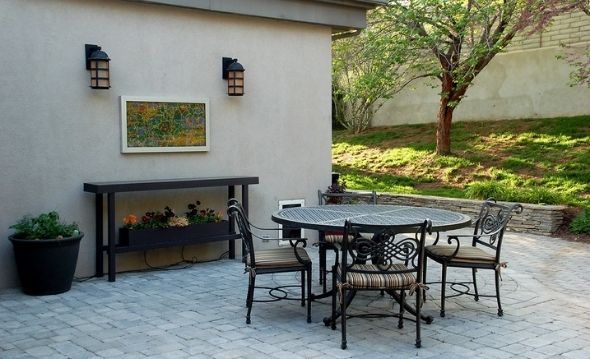
Front yard pavers offer a combination of durability, design flexibility, and practical functionality. Whether you want an elegant walkway leading to your front door, a decorative entrance, or a more attractive driveway, the right paving design can completely change the appearance of your property.
However, choosing the right pavers involves more than selecting attractive colors or patterns. You also need to consider your home’s architectural style, available outdoor space, drainage, weather exposure, and maintenance requirements.
So, which front yard paver ideas work best for residential properties?
In this guide, RH Renovation explores five attractive front yard paving ideas, explains which materials and patterns work well for different homes, and shares practical installation considerations for homeowners in New York.
Why Are Front Yard Pavers a Good Investment?
Pavers are individual paving units made from materials such as concrete, natural stone, and clay brick. They can be arranged in different patterns to create walkways, driveways, entrance areas, garden borders, and other outdoor features.
Unlike a continuous poured concrete surface, many interlocking paver systems consist of individual units that can be removed and replaced when necessary.
Here are some reasons homeowners choose pavers for front yard improvements:
- Improved curb appeal: Different colors, textures, and patterns can complement your home’s exterior.
- Design flexibility: Pavers can create straight paths, curved walkways, decorative borders, and geometric patterns.
- Repair flexibility: Individual damaged units can often be replaced without removing the entire paved surface.
- Durable surfaces: Properly selected and installed pavers can handle regular pedestrian traffic and, when specifically rated and properly installed, vehicle traffic.
- Outdoor organization: Pavers help define entrances, pathways, garden areas, and driveway transitions.
- Maintenance options: Routine sweeping, appropriate cleaning, and occasional joint maintenance help preserve their appearance.
The key is choosing a paving system that suits the property’s intended use and local conditions.
Top 5 Front Yard Paver Ideas for a Beautiful Home Exterior
Here are five design ideas that can help you create a more attractive and functional front yard.
1. Concrete Interlocking Pavers for a Clean, Timeless Look
Concrete interlocking pavers are among the most versatile choices for front yard landscaping. They are available in different shapes, sizes, textures, and colors, making them suitable for traditional, colonial, contemporary, and modern homes.
You can use rectangular pavers for a simple walkway or combine different sizes to create a more decorative entrance.
For example, a light-gray walkway with a darker charcoal border can create an attractive contrast without making the design look overly complicated.
Why this design works:
- Available in numerous colors and finishes.
- Suitable for walkways, patios, and properly engineered driveways.
- Individual units can often be replaced when damaged.
- Works with both traditional and contemporary architecture.
- Can be combined with decorative stone and landscaping.
Design recommendation: Choose neutral-colored pavers that complement your home’s brick, siding, roofing, and exterior trim. Add a contrasting border to define the walkway and create a more finished appearance.
For NYC properties, choose products designed for exterior conditions and follow the manufacturer’s recommendations for freeze-thaw exposure. Proper base preparation and drainage are just as important as the pavers themselves.
<IMAGE_PLACEHOLDER>
2. Herringbone Paver Walkway for a Distinctive Entrance
Herringbone is a classic paving pattern that creates a distinctive zigzag appearance. It is made by positioning rectangular pavers at alternating right angles, creating an interlocking arrangement.
This design works particularly well for front walkways, entrance paths, and driveways where a more decorative surface is desired.
Herringbone patterns can be installed at 45-degree or 90-degree orientations. The 45-degree arrangement creates a more dynamic visual effect, while the 90-degree layout offers a structured, traditional appearance.
Why homeowners like herringbone:
- Creates an attractive, recognizable pattern.
- Works with traditional brick-style pavers.
- Provides a strong interlocking layout.
- Can be combined with contrasting borders.
- Suitable for both pedestrian pathways and appropriately engineered vehicle surfaces.
For driveways, herringbone is particularly useful because its interlocking arrangement helps resist the movement associated with turning and braking forces when the complete pavement system is correctly designed.
Design recommendation: Consider warm red or brown brick-style pavers with a dark border for a traditional property. For a modern home, gray or charcoal concrete pavers can create a cleaner appearance.
A well-designed herringbone walkway can become the main visual feature of your front entrance without requiring an elaborate landscaping design.
3. Rustic Natural Stone Pavers for a Traditional Appearance
If you prefer a more natural outdoor appearance, rustic stone pavers are worth considering.
Natural stone offers variations in color, texture, and shape that create a distinctive landscape design. Depending on the stone selected, the finished surface can complement traditional homes, country-style properties, ranch houses, and homes with natural exterior materials.
Popular natural stone options include:
- Bluestone.
- Flagstone.
- Granite.
- Limestone.
- Sandstone.
Each material has different characteristics, including surface texture, durability, porosity, and maintenance requirements.
For example, bluestone is a popular choice for walkways and entrance areas because of its natural color variations and refined appearance. Granite offers a hard-wearing surface, while flagstone creates a more irregular, organic layout.
Why choose rustic stone pavers?
- Natural variations give the walkway character.
- Different stone finishes suit traditional architecture.
- Can complement garden beds and natural landscaping.
- Offers several colors and surface textures.
- Creates a distinctive entrance compared with standard concrete paving.
Design recommendation: Use irregular flagstone for a relaxed garden pathway or cut natural stone for a more formal entrance. Combine the paving with low-growing plants, shrubs, and simple landscape lighting.
When selecting natural stone for New York’s climate, check its suitability for freeze-thaw exposure and outdoor use. Surface texture and slip resistance should also be considered, particularly around steps and sloped areas.
4. Colorful Pavers to Make Your Front Yard More Inviting
Your front walkway does not have to be entirely gray or neutral. Colored pavers can introduce warmth, contrast, and personality into your home’s exterior.
Modern concrete pavers are available in shades such as beige, tan, charcoal, brown, red, and blended earth tones. Natural stone also provides a range of colors that can be used to create a distinctive entrance.
The important thing is to choose a color combination that complements the existing house rather than competing with it.
Here are some combinations worth considering:
| Paver Color | Suggested Exterior Style |
|---|---|
| Light gray and charcoal | Modern homes |
| Warm beige and brown | Traditional homes |
| Red and dark brown | Brick houses |
| Sandstone and tan | Natural or rustic designs |
| Dark gray and white | Contemporary architecture |
Design recommendation: Use one dominant paver color and introduce a second color through borders or accent sections. Too many contrasting colors can make a small front yard feel visually crowded.
You can also create a decorative paver feature near the front entrance, such as a circular pattern or a contrasting rectangular section.
For smaller NYC front yards, a restrained color palette often creates a more spacious and coordinated appearance.
5. Large-Format Pavers With Decorative Borders for a Modern Front Yard
Large-format pavers are an excellent choice for homeowners who prefer a clean, contemporary exterior.
Instead of using many small paving units, this design uses larger square or rectangular slabs to create a more open visual appearance.
Large-format pavers can be installed in straight layouts, staggered arrangements, or carefully planned geometric patterns.
They work particularly well for:
- Modern residential entrances.
- Minimalist front yard designs.
- Wide walkways.
- Front porch transitions.
- Contemporary garden paths.
Decorative borders can make the layout even more attractive. For example, large light-gray pavers can be framed with charcoal-colored units or a contrasting stone border.
Another option is to combine large pavers with gravel or planting sections. This creates visual separation between the pathway and surrounding landscaping.
Design recommendation: Keep the layout simple and use consistent spacing. Make sure the selected pavers are rated for the intended application and installed on a suitable base. Large slabs can require particular attention to support and installation specifications.
How to Choose the Right Pavers for Your Front Yard
With so many materials and designs available, selecting the right pavers can feel overwhelming. Start by considering the following factors.
Match the Pavers to Your Home’s Architecture
Your paving design should complement the property’s existing exterior materials.
For example:
- Brick homes often look attractive with warm-toned or charcoal pavers.
- Colonial homes can benefit from traditional brick patterns and natural stone.
- Modern homes often suit large-format gray or neutral concrete pavers.
- Rustic properties can look more cohesive with natural stone and irregular layouts.
The goal is to create a consistent exterior appearance rather than introduce materials that feel unrelated to the house.
Consider How the Space Will Be Used
A pedestrian walkway and a driveway do not have the same structural requirements.
For walkways, focus on comfortable dimensions, safe surfaces, and easy access to the front entrance.
For driveways, select pavers specifically rated for vehicle loads and ensure the base, edge restraints, and installation method are designed accordingly.
For a front entrance, consider how the paving connects to existing steps, porch areas, and the public sidewalk.
Think About Maintenance
Different paver materials require different maintenance routines.
Concrete pavers may need occasional cleaning and joint-sand maintenance. Natural stone may require product-specific cleaning and, in some cases, sealing.
Weeds can grow in poorly maintained joints, while moss or algae may develop in damp, shaded locations.
Choose a material that matches the amount of maintenance you are willing to perform.
Important Paver Installation Considerations for New York Homeowners
Even the most attractive paving design can develop problems if the installation is not completed properly.
New York properties experience seasonal temperature changes, rainfall, snow, and freeze-thaw conditions. These factors make installation quality particularly important.
1. Proper Excavation and Base Preparation
The ground underneath the pavers provides the foundation for the entire surface.
The installation area should be excavated to the appropriate depth, and the underlying soil should be prepared and compacted.
A suitable crushed-stone aggregate base is then installed and compacted in layers.
For many pedestrian applications, a compacted base of approximately 4–6 inches may be appropriate. Driveways generally require a thicker, properly engineered base because they must support vehicle loads. Soil conditions and local climate can require additional depth.
A thin layer of bedding sand is commonly used to establish a consistent setting surface.
2. Correct Drainage and Slope
Water should not collect on the finished paving surface or flow toward the home’s foundation.
The design should account for existing elevations, downspouts, garden beds, and neighboring properties.
A properly planned slope helps direct surface water toward an appropriate drainage location.
If your front yard already experiences standing water, address the drainage issue before installing new pavers.
3. Secure Edge Restraints
Edge restraints help prevent pavers from spreading outward over time.
They are especially important along narrow walkways, driveway edges, and curved paving sections.
Depending on the project, restraints may include suitable concrete, metal, or manufactured edging systems.
4. Appropriate Jointing Material
The spaces between pavers need to be filled with a suitable jointing material.
Joint sand or an appropriate polymeric sand product can help stabilize the surface and reduce weed growth when installed correctly.
Always follow the paver and jointing-product manufacturer’s specifications.
5. Winter Weather Considerations
New York winters can be demanding on outdoor paving surfaces.
Choose pavers rated for the expected freeze-thaw conditions and avoid using deicing products that are incompatible with the selected material.
Proper drainage is essential because trapped water can freeze, contribute to movement, and damage some paving products.
For additional installation guidance, see Lowe’s paver walkway installation guide and This Old House’s paver installation guide.
How Much Does a Front Yard Paver Installation Cost?
The cost of installing front yard pavers depends on the material, project dimensions, excavation, labor, base preparation, and design complexity.
A simple rectangular walkway will generally require less labor than a curved entrance with decorative borders, steps, and multiple paving materials.
Major cost factors include:
- Type and quality of pavers.
- Total square footage.
- Existing surface removal.
- Excavation and soil preparation.
- Aggregate base installation.
- Drainage improvements.
- Edge restraints and jointing materials.
- Steps, borders, and decorative features.
- Site access and material delivery.
For an accurate estimate, contractors should inspect the property, measure the proposed area, evaluate the ground conditions, and identify any additional work.
It is better to compare detailed installation estimates than choose a contractor based only on the lowest price per square foot.
Why Choose RH Renovation for Your Exterior Improvement Project?
A beautiful front yard requires more than attractive paving materials. The layout, installation quality, drainage, and relationship between the walkway and the rest of your home’s exterior all contribute to the final result.
RH Renovation NYC helps homeowners improve and maintain their property’s exterior through services that include roofing, siding, gutters, chimney work, and skylights.
Our team understands the importance of planning exterior improvements around the home’s existing structure, appearance, and practical requirements.
Whether you are considering a new front entrance, improving your property’s exterior, or planning a broader renovation, we can discuss your requirements and help you understand the available options.
We serve homeowners throughout the Bronx, Queens, Brooklyn, and Westchester County.
Contact RH Renovation NYC to discuss your exterior improvement project.
- Phone: (646) 818-4305
- Email: info@rhrenovationnyc.com
- Bronx office: 1951 Hone Ave, Bronx, NY 10461
- Westchester office: 5 Oak Ave, Tuckahoe, NY 10707
Request a free estimate and discuss your renovation plans with our team.
Frequently Asked Questions About Front Yard Pavers
1. What are the best pavers for a front yard?
Concrete interlocking pavers, brick pavers, bluestone, and other suitable natural stones are popular front yard options. The best choice depends on your home’s architecture, budget, intended use, and local weather conditions.
2. Are concrete pavers better than natural stone?
Concrete pavers offer consistent shapes, different colors, and flexible design options. Natural stone provides distinctive textures and variations. Neither is universally better; the right choice depends on appearance, performance requirements, and maintenance expectations.
3. What is the best paver pattern for a front walkway?
Running bond, herringbone, and modular patterns are all suitable choices. Running bond creates a clean traditional appearance, while herringbone offers a more decorative arrangement and strong interlock.
4. Are pavers suitable for New York winters?
Yes, many concrete and natural stone pavers are suitable for New York’s climate when the correct products and installation systems are selected. Proper base preparation, drainage, and freeze-thaw resistance are essential.
5. How long do front yard pavers last?
A properly installed paver surface can last for decades. Its lifespan depends on material quality, installation, drainage, traffic, soil conditions, and maintenance.
6. Can I install pavers over an existing concrete walkway?
In some situations, pavers can be installed over an existing concrete surface using an appropriate overlay system. However, the existing concrete must be stable, properly sloped, and suitable for the additional installation. Significant cracks, settlement, or drainage problems may require removal instead.
7. How wide should a front yard paver walkway be?
A width of approximately 36 inches is commonly used for a basic residential walkway. A wider path of 48 inches or more can provide additional comfort, especially near the main entrance. Accessibility requirements may call for specific widths, turning areas, and surface specifications.
8. Do pavers require sealing?
Not all pavers require sealing. Some products benefit from an appropriate sealer for appearance or stain resistance, while others can be maintained without one. Follow the manufacturer’s recommendations for the specific material.
9. Are pavers better than poured concrete for front yards?
Pavers offer more design flexibility and allow individual units to be replaced when necessary. Poured concrete can provide a simpler, continuous surface with fewer joints. The better choice depends on design preferences, installation conditions, maintenance, and budget.
10. Can front yard pavers improve curb appeal?
Yes. A well-designed walkway or entrance can make a home look more organized, attractive, and welcoming. Coordinating paver colors, borders, steps, and landscaping helps create a cohesive exterior appearance.
Final Thoughts
Front yard pavers are a practical way to improve your home’s appearance while creating durable and functional outdoor spaces.
Whether you prefer classic interlocking concrete pavers, a distinctive herringbone walkway, rustic natural stone, colorful paving designs, or modern large-format slabs, the right design should complement your home and work with the property’s existing landscape.
Before beginning installation, consider the material, intended use, drainage, soil conditions, and quality of the base preparation. These details are essential for a paving surface that looks attractive and performs well over time.
If you are planning an exterior renovation in the Bronx, Queens, Brooklyn, or Westchester County, contact RH Renovation NYC at (646) 818-4305 to discuss your project and request a free estimate.
Are you looking to upgrade the exterior of your home and increase its price? There is one simple option you can do which will make your house look more contemporary without having to spend a huge chunk of money or battling contractors for days after days: front yard paver ideas.
You can ask our team at RH Renovation NYC for more information on front yard paver ideas. Our designers can suggest the best look for your home and our technicians will make your vision come to life. We are happy to provide a cost estimate for free before the start of the project so you know what budget to allocate to this project.
Our expertise lies in both residential and commercial constructions and we have a vast experience in outdoor works such as pavers, patios, decks, around the house concrete walkways, and more. Contact us to discuss your renovation project in more detail and we’re happy to take your home to another level!